Posts

Showing posts from September, 2026

When “I” Cannot Say “I”
Image
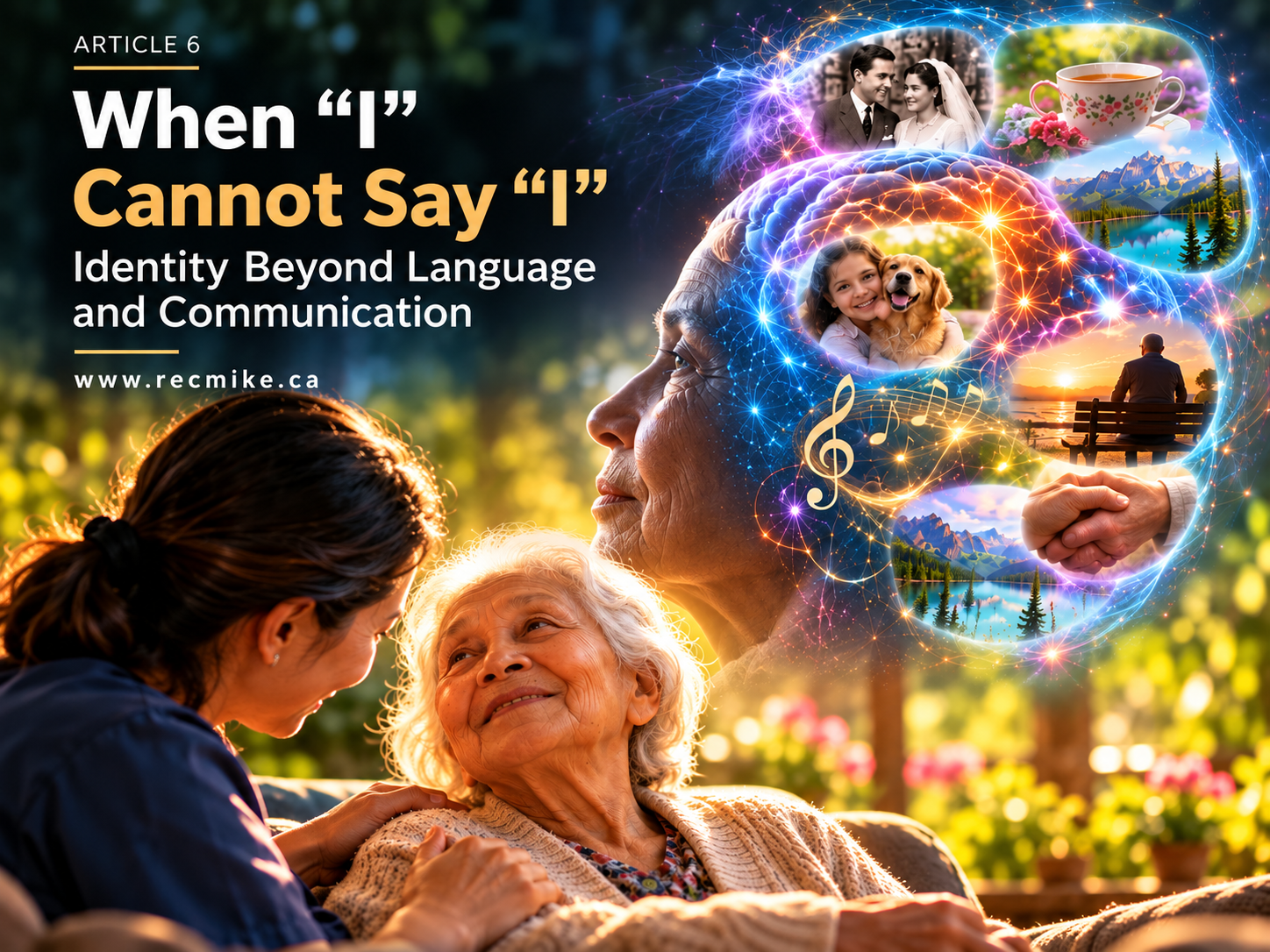
Part 6: When “I” Cannot Say “I” Identity Beyond Language and Communication In the previous article, we explored what can remain when autobiographical memories begin to fade. We saw that a person may lose access to parts of their life story while still responding to music, familiar routines, emotions, touch, and the presence of another person. But dementia can eventually affect something else that we often use to understand a person's inner world: language . When someone can no longer find the right words, answer a question, or tell us what they are feeling, it is easy to assume that their thoughts and awareness have also disappeared. But language and awareness are not the same thing. When Words Become Difficult Language is a complex brain function. Understanding and producing speech involves several connected brain regions and networks working together. These systems allow us to find words, understand meaning, organize sentences, recognize sounds, and communicate our ...
Sri Lanka's Unsung Heroes- Part 18

Image
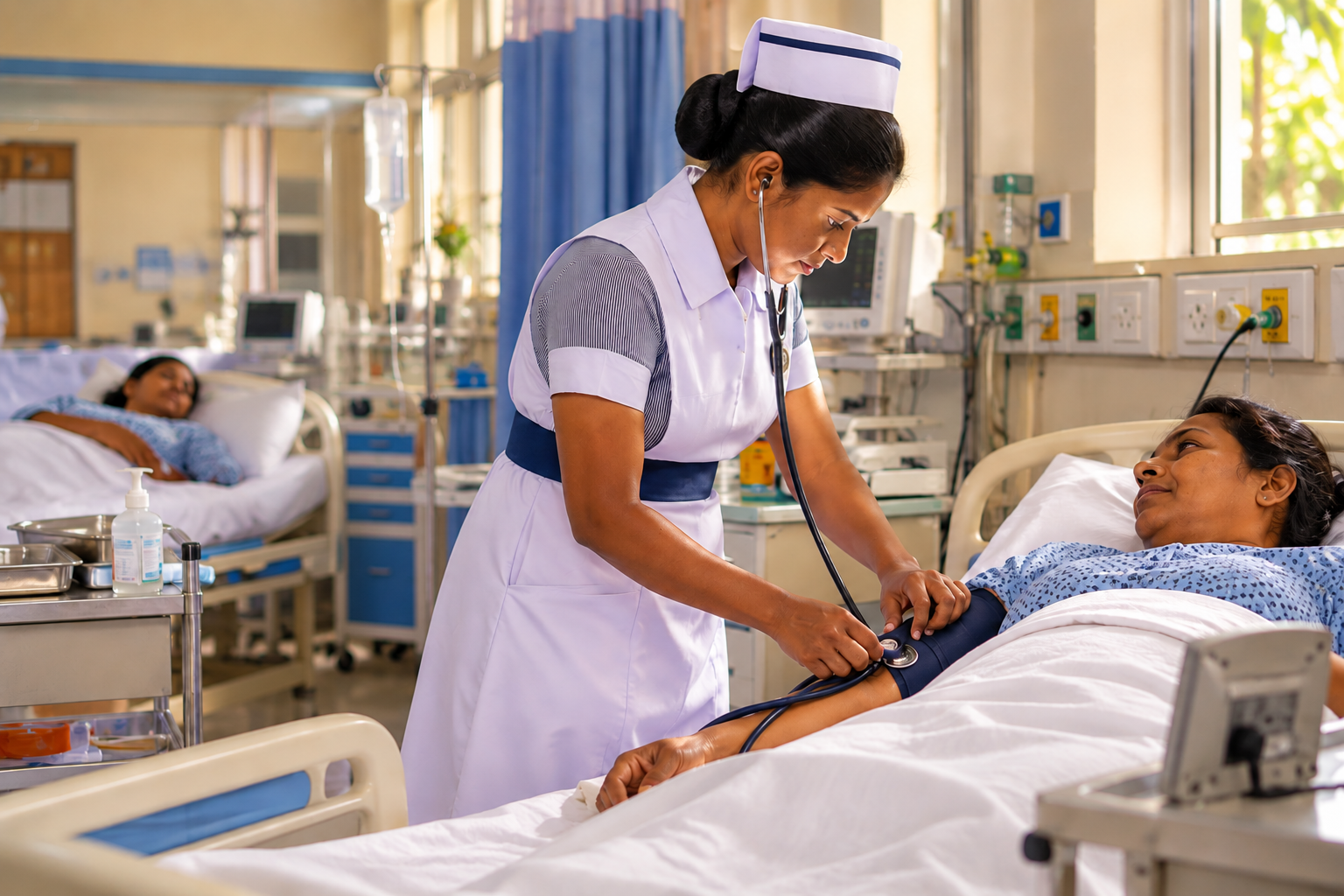
Part 18: A Fair Wage at Every Stage: Rethinking the Nursing Salary Structure In the previous parts of this series, we have looked at nursing education, professional regulation, continuing professional development, working conditions, burnout, and the financial pressures facing Sri Lankan nurses. All of these issues eventually lead to one practical question: how should nurses be paid for the work they do and the responsibilities they carry? Discussing nurse salaries in Sri Lanka requires more than quoting a single figure. Nurses at different stages of their careers carry different levels of responsibility, experience, clinical knowledge, and leadership. A meaningful salary reform therefore needs to recognise these differences and create a clear, transparent, and consistent structure that rewards professional growth. A Note About the Salary Figures Before discussing specific figures, I want to make one important point clear. I am currently not living in Sri Lanka, so I do not h...

Welcome to Canada- Part 22

Image
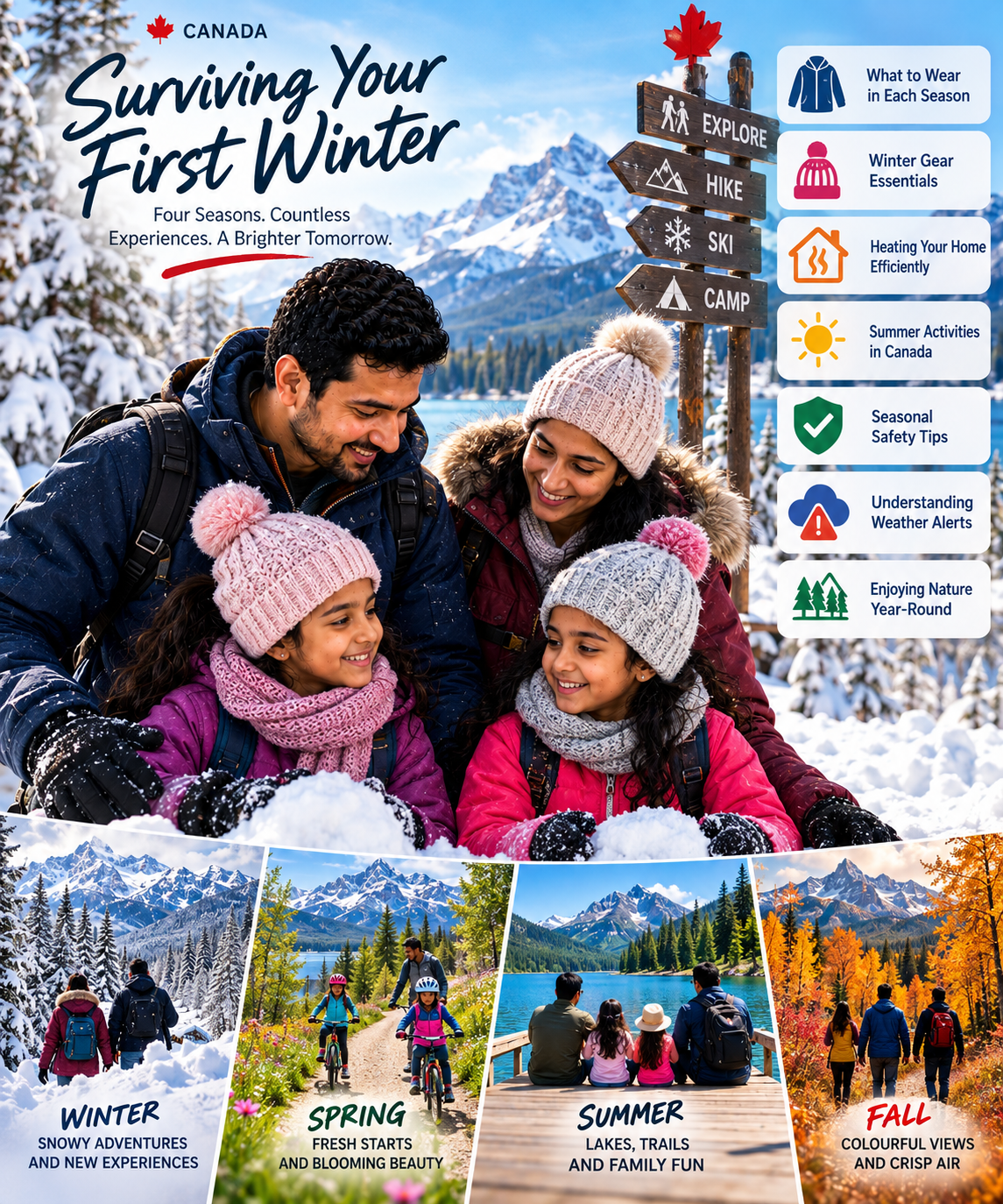
Surviving Your First Winter ❄️ Learning to Live With the Seasons In the previous article, we explored transportation in Canada, from public transit and driving to cycling, walking, and road safety. As you become more comfortable getting around, you will quickly discover another important part of Canadian life: the weather. For many newcomers, the first Canadian winter can be one of the biggest adjustments. Cold temperatures, snow, ice, shorter days, and changing weather can make everyday activities feel very different from what you were used to. But Canada is not only about winter. Each season brings its own challenges, activities, and opportunities to enjoy the outdoors. The key is learning how to prepare rather than simply trying to endure the weather. 🧥 What to Wear in Each Season Canadian weather changes considerably throughout the year, so having the right clothing makes a big difference. Spring and fall can bring cool mornings, warmer afternoons, rain, and sudden t...

Let Boss Have a Chance

Image
I have always felt that there is something special about seeing wildlife where it belongs, in the wild. Over the years, my experiences in nature have shown me how important it is to protect that connection. That is why the story of Boss has stayed with me. I understand that living alongside wildlife is not always easy. There are times when difficult decisions have to be made, especially when human safety is involved. But before a decision is made to kill a wild animal, I believe we should ask a simple question: Have we truly explored every reasonable non-lethal option? Boss is not just a name or a story on social media. To me, he represents something much bigger. He represents the wild places we still have in Canada and the responsibility we have to protect them. I am asking Parks Canada to consider every safe and practical alternative before moving toward a lethal solution. If you care about wildlife and believe coexistence should be given a genuine chance, please take a m...

ගින්දරයි, ආගමයි, එක තිතයි

Image
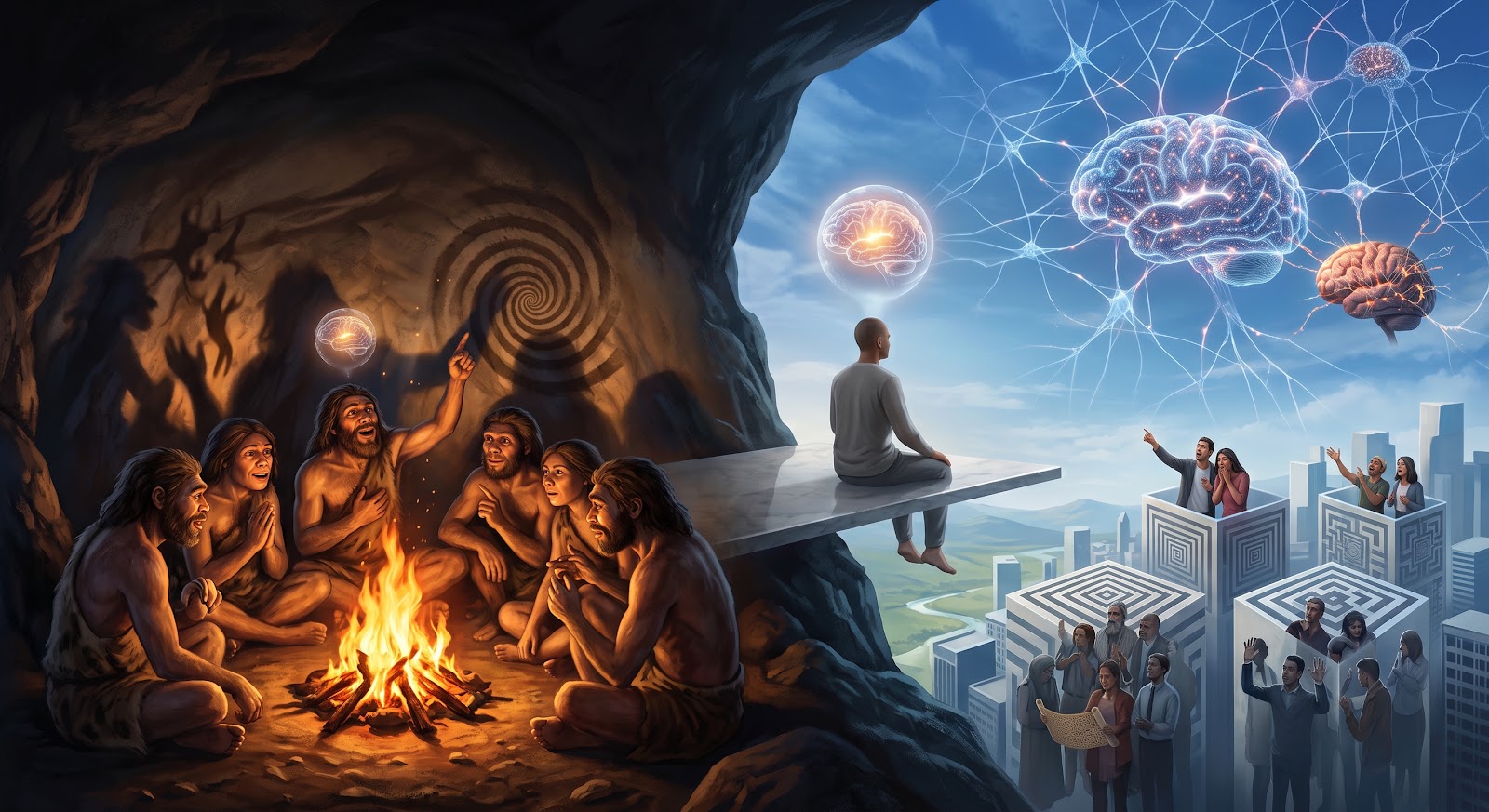
ගහෙන් ගහට පැන පැන ගිය වඳුරො ටිකක්, ගස් කොළං ටික නියඟයට අහුවෙලා විනාශ වෙලා ගිය වෙලාවේ, ජීවිතේ පවත්වා ගන්නට ගහෙන් බැහැල බිම දිගේ ඇවිදින්න “දියුණූ” වුනත්, මීට අවුරුදු 400,000කට විතර එහා කාළෙදි, එතෙක් දැකපු ගින්දර, තමන්ටම හදාගන්න පුළුවන් කියල අත්දැකීම් ලබන්නට “දියුණූ” වුනු, ඒ ගින්දර නිසා , වෙනද කළුවර වෙත්දි පණ බයේ නින්දට ගිය කණ්ඩායම, ගින්දර කියල අළුත් දේ වටා එක්වෙමින් , රැයේ කාළයක් ගෙවා දමත්දි, කතන්දර කියත්දි, ගින්දරෙන් පිසූ මස් පහසුවෙන් දිරවන නිසා, ඉතිරි කරගන්නට පුළුවන් වන කැලරි ටිකත් මොලේ පාවිච්චියට ගන්නට පුළුවන් වීම නිසා, සිංදු කියන්නට, රඟන්නට හැකියාවන් ලැබෙත්දි, පරිසරේ සිදුවන තමන්ට තේරුම් ගත නොහැකි දේ ගැන “හිතන්නට” , මරණය ගැන වෙනස් හැඩයකින් දකින්නට පටන් ගත්ත, “දියුණුව” ඔස්සේ ඇවිත්, එදා කාළයේ සමාජීය වෙනසක් කළ, වෙනස් විදියකට හිතූ පුද්ගලයෙකු මුල් කරගෙන, “ආගම” නම්, කණ්ඩායම් සංස්කෘතිය ඔස්සේ එන “දියුණූ මිනිසා” නම් පුද්ගලයා, උපන් දා සිට නොමිලේ ලැබෙන පුරුදු කිරීම්, කතන්දර ඇසීම් සමඟ යම් සීමා සහිත සහ තමන්ට අවශ්‍ය සීමාව ගැන පමණක් විමසා ලබා ගත් “තමන් අදහන ආගමේ” නාමයෙන්, එයම පමණක් “පරම සත්‍යය” ල...

What Remains When the Story Fades?

Image
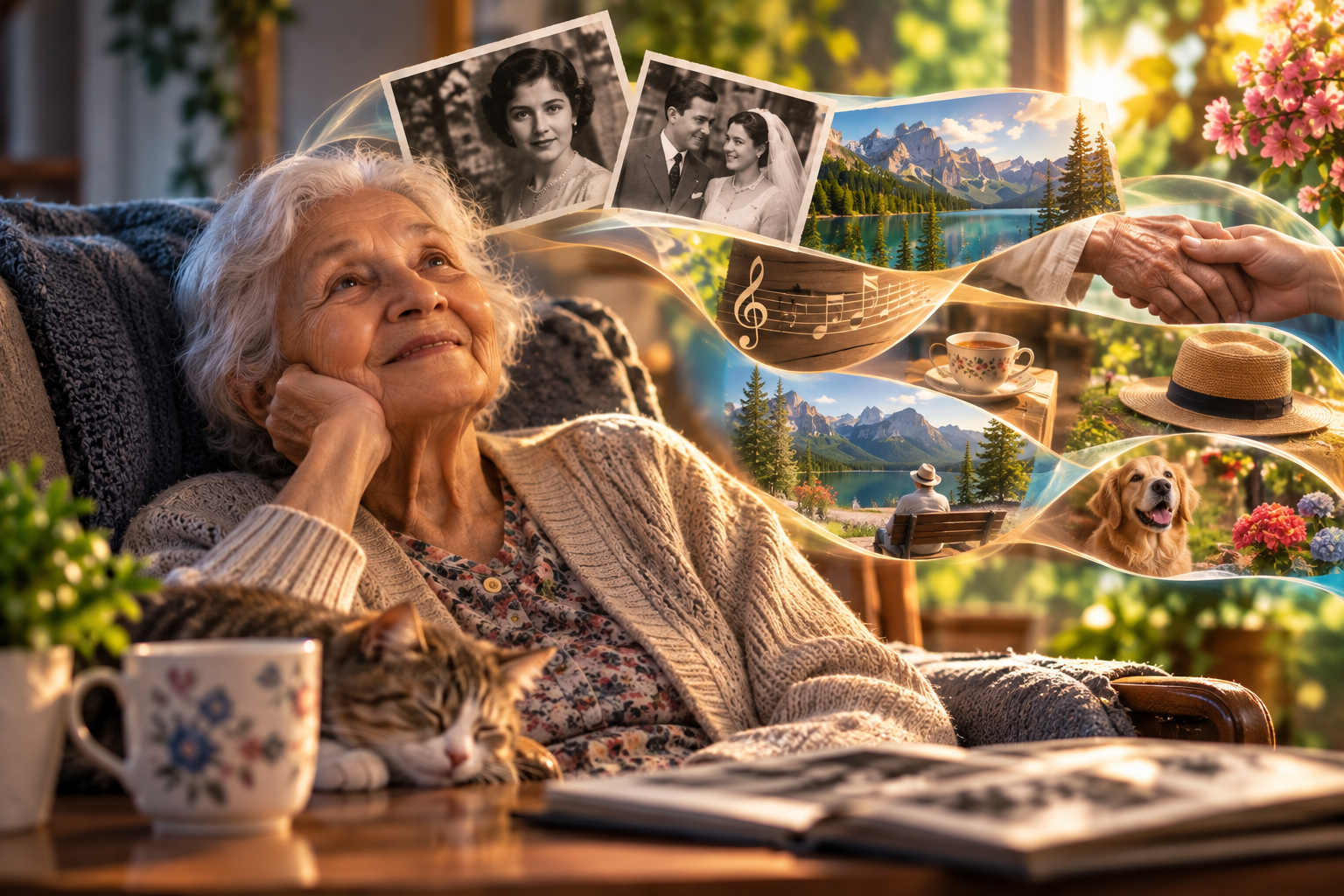
Part 5: What Remains When the Story Fades? Identity Beyond Memory In the previous articles, we followed memory from its biological beginnings to its connection with identity. We also explored what can happen when dementia makes personal memories increasingly difficult to access. This brings us to a difficult question: if parts of my story disappear, what remains of me? In dementia care, this question is not only scientific. It is deeply human. Families may watch someone who once remembered every detail of their life struggle to remember names, recent conversations, familiar places, or even people they have known for decades. It can feel as though the person they knew is slowly disappearing. But the brain is more complicated than that. Memory Is Not the Whole Person We often use memory as a shortcut for identity. We recognize someone because they know our name, remember shared experiences, and can tell us stories about their life. When those abilities change, it is understan...

Welcome to Canada- Part 21

Image
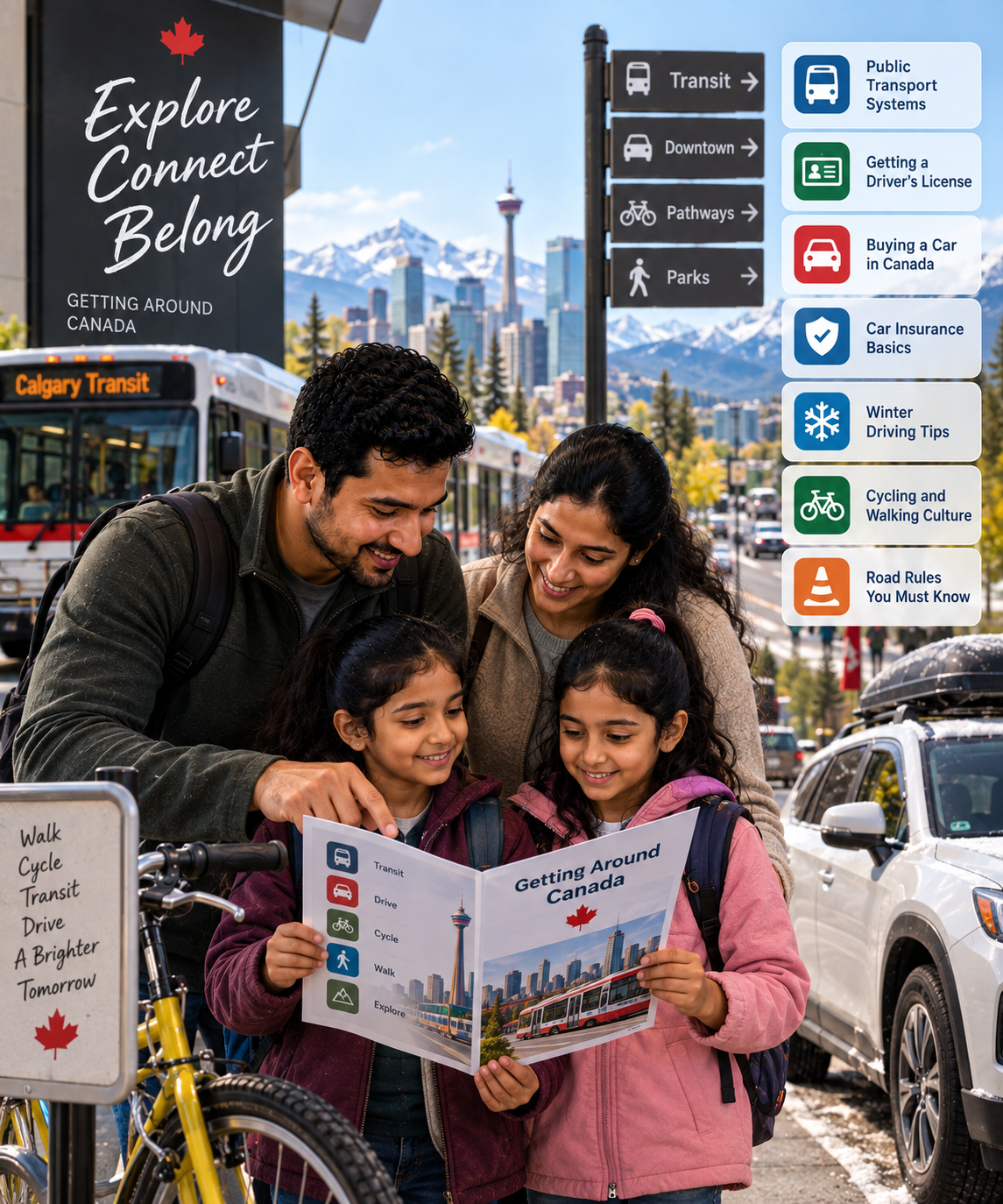
🚗 Finding Your Way Around In the previous article, we looked at how to navigate Canada's healthcare system and build healthy routines. As your life becomes more settled, another practical part of everyday life is learning how to get around your community. Canada is a large country, and transportation can look very different depending on where you live. In larger cities, public transportation may be enough for work, school, shopping, and appointments. In smaller communities or suburban areas, having a car may make everyday life easier. Understanding your options can help you choose what works best for your family. 🚌 Public Transportation Canadian cities have different public transportation systems, including buses, trains, light rail, and rapid transit. Most systems use transit passes, cards, or mobile payment options, and many have apps that help you plan your journey. Learning how to use public transportation can be especially useful when you first arrive because it ...

Sri Lanka's Unsung Heroes- Part 17

Image
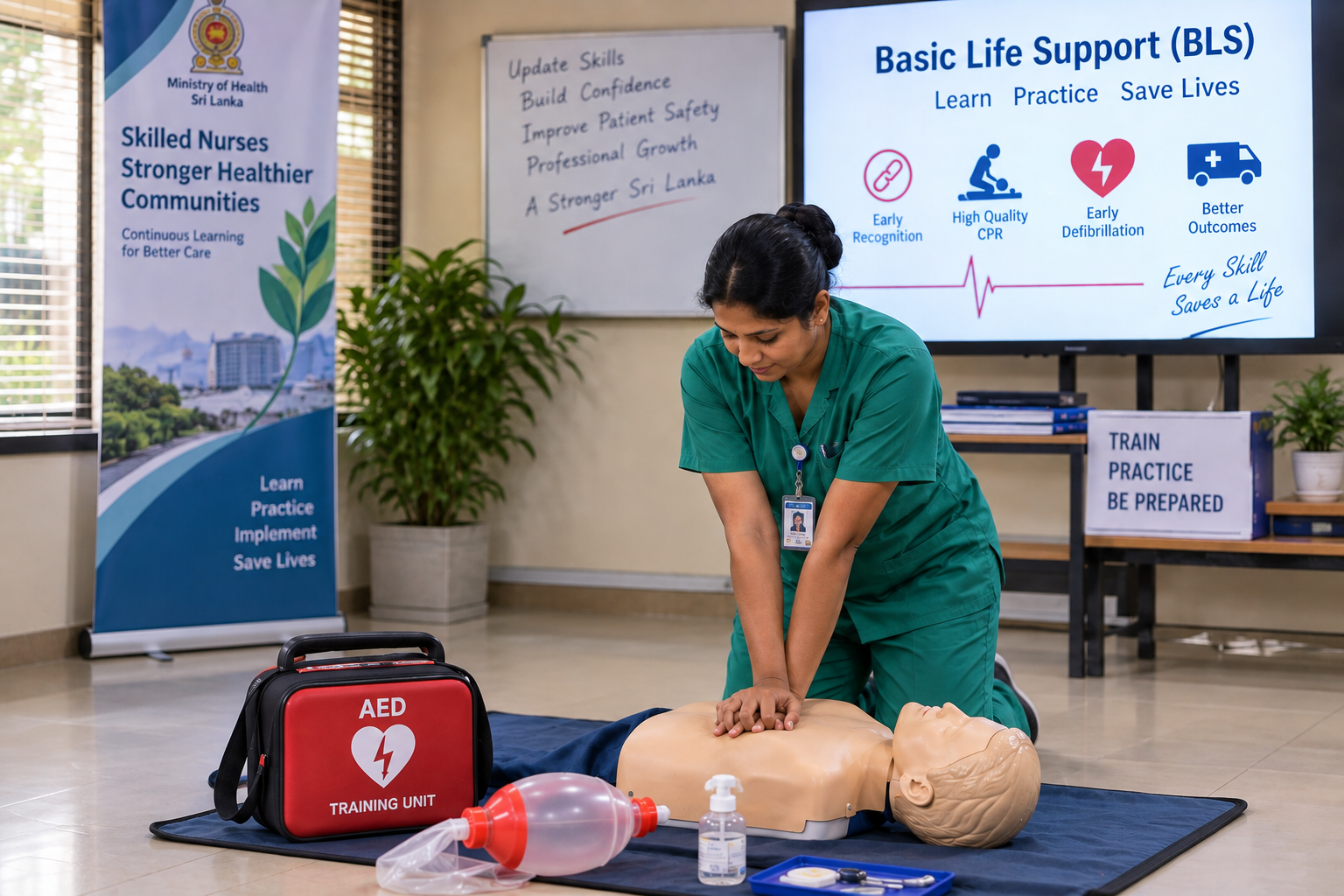
Part 17: Learning That Never Stops: The Case for Mandatory Professional Development In the previous part, we looked at why stronger professional regulation and proper licensure could help strengthen Sri Lanka's nursing profession. But regulation alone is not enough. If a nurse is expected to maintain a professional license throughout a career, there also needs to be a clear pathway for that nurse to keep learning, updating skills, and demonstrating continued competence. When I was a practicing nurse in Sri Lanka, continuing education was something that happened informally, if it happened at all. We learned from experience, absorbed knowledge from senior colleagues, and read when we had the time, which was rarely. What we did not have was a structured, mandatory professional development system that required nurses to regularly update their knowledge and demonstrate that their practice remained current and evidence-based. This is not just a personal observation. It reflects a...

The Country We Chose

Image
A country's healthcare system can be a window into that country, not through the modernity of its hospitals or the amount of funds funnelled into the latest technology and equipment, but through what you see when you work with patients and families, listening to what makes them tick when life hasn't turned out the way they expected. After decades of doing that, you begin to see the country for what it is in ways that have nothing to do with its brochures. I have been working in the healthcare system for nearly thirty years and in three countries. Today, working in a community in a beautiful province in Canada, I see houseless people, people struggling with addictions, refugee claimants, international students who have no idea what the future holds, and people labelled terrorists in their home countries for reasons that had little to do with who they were. None of these people are what the intake form asks for. A person's immigration status, diagnosis, home address, or...

When AI Brings the 1980s Back: Nostalgia, Recreation and Mental Health

Image
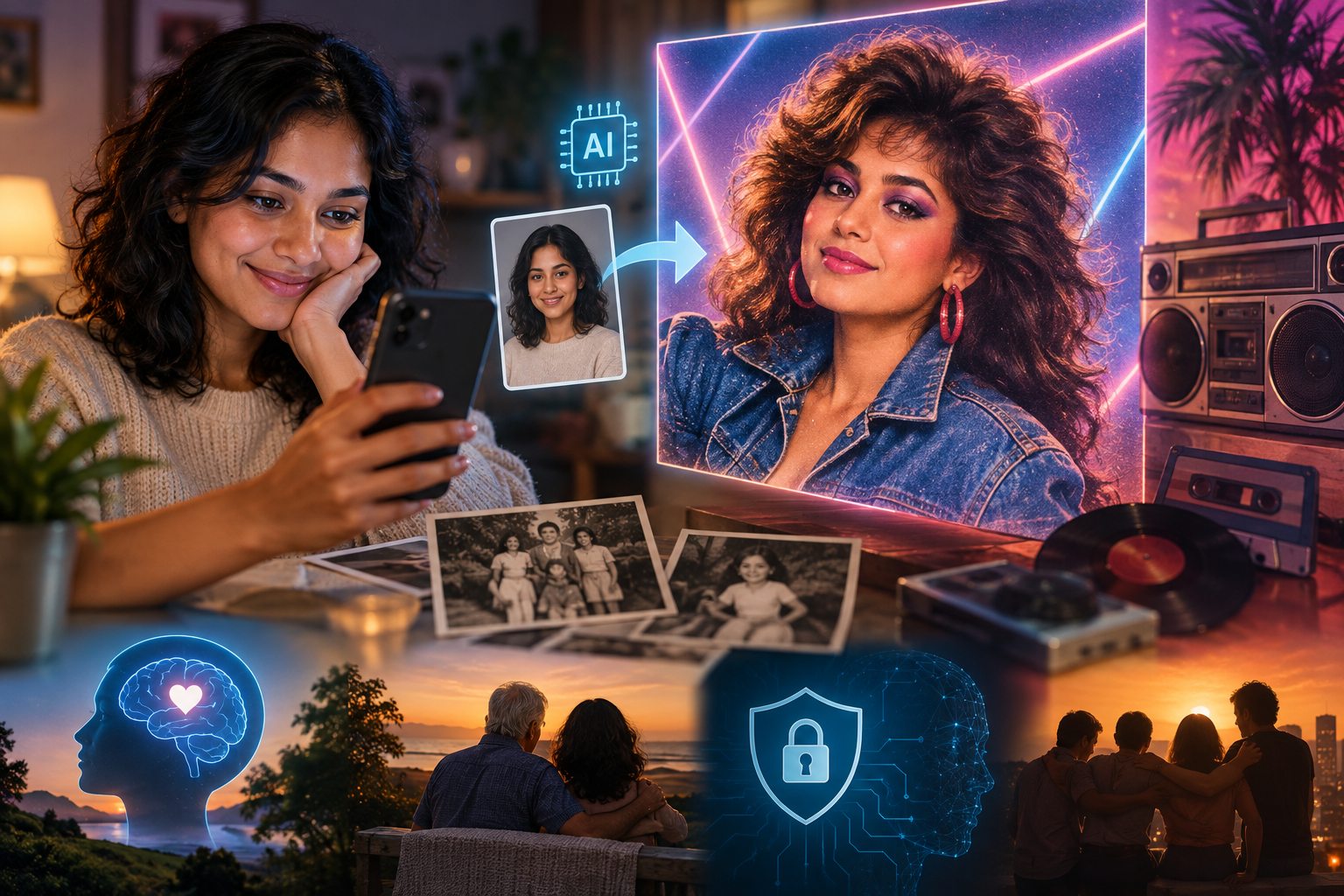
When AI Brings the 1980s Back: Nostalgia, Recreation and Mental Health The 1980s are suddenly everywhere again. AI tools can transform today's photographs into colourful retro portraits with big hair, denim jackets, neon lights, dramatic makeup, and vintage studio backgrounds. For those who remember the decade, the experience can be funny and surprisingly nostalgic. For younger generations, it offers a playful way to explore a time they never experienced. But as someone interested in recreation, mental health, wellbeing, and new technology , I think there is more to this trend than simply creating a cool picture. More Than Just a Picture Nostalgia can have positive psychological effects. Remembering meaningful people, places, and experiences can strengthen our sense of identity, connection, and continuity. An AI-generated image can become a simple doorway into those memories. From a recreation therapy perspective, that makes the trend interesting. A retro portrait could...

Sri Lanka's Unsung Heroes- Part 16

Image
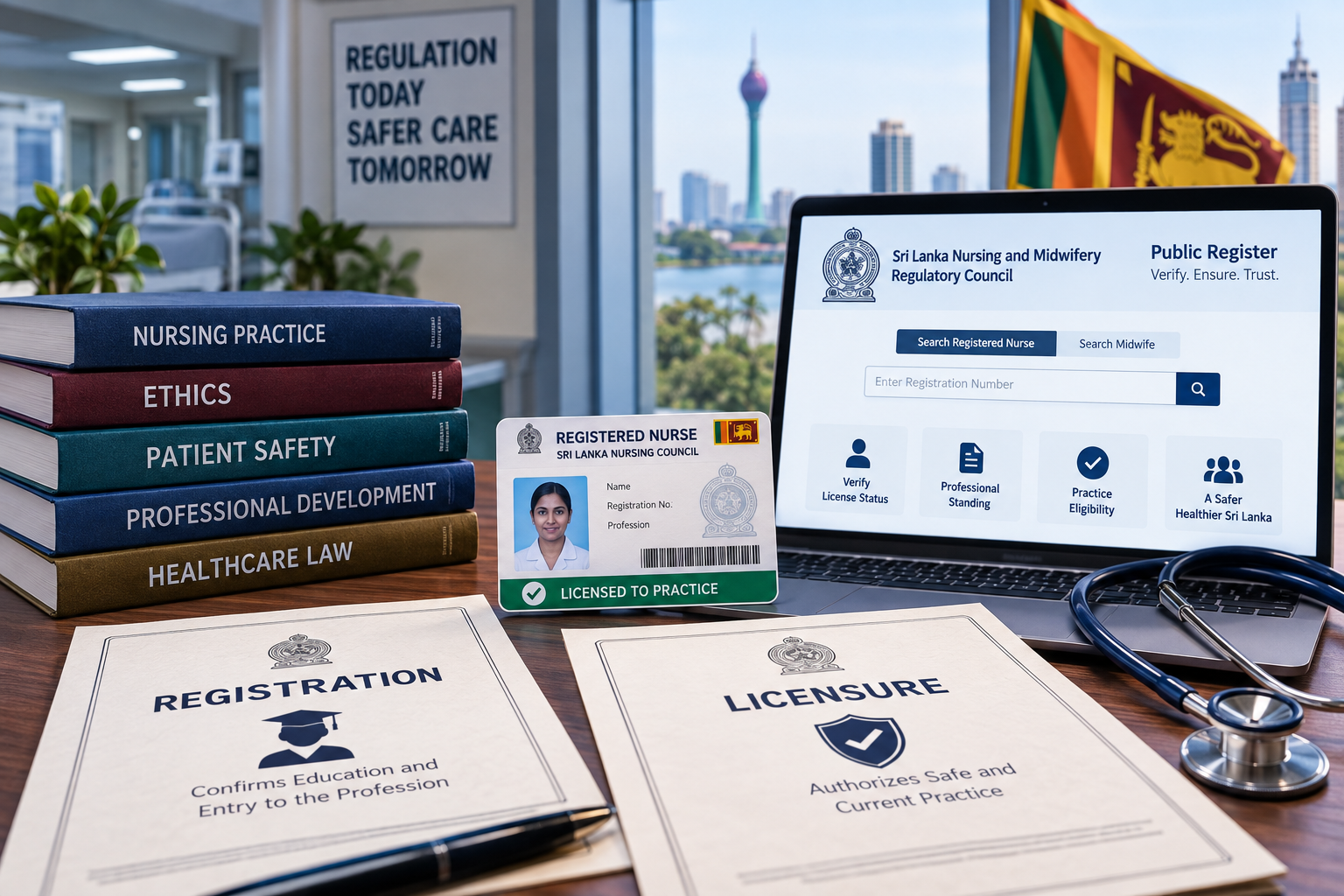
Part 16: Regulation That Protects: The Case for Proper Licensure In the previous articles, we have looked at the pressures facing Sri Lankan nurses, from staffing shortages and demanding working hours to limited resources, financial pressures, burnout, public perception, and the need to strengthen nursing education. But there is another part of building a stronger profession that is easy to overlook: regulation. Education prepares someone to become a nurse. Regulation helps ensure that the person continues to meet the standards expected of a professional throughout their career. Registration Is Not the Same as Licensure Becoming a Registered Nurse in Sri Lanka currently involves completing a diploma or bachelor's degree and submitting the qualification to the Sri Lanka Nursing Council for registration. Once that registration is granted, it is valid for life. There is no requirement to renew it, no regular assessment of ongoing competence, and no mechanism to verify that a...

Welcome to Canada- Part 20

Image
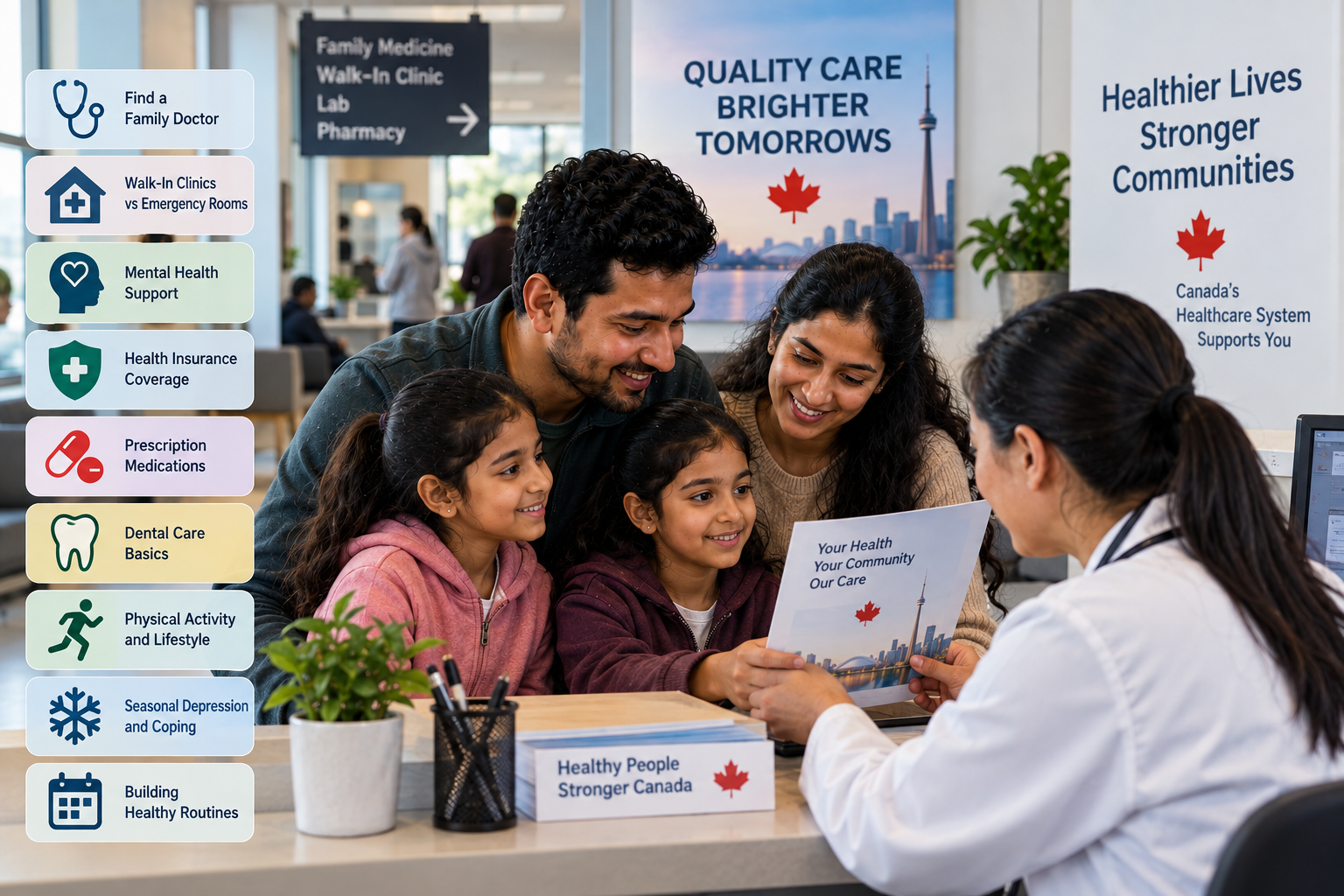
Understanding Healthcare in Canada 🏥 Finding Your Way Around the System In the earlier articles, we talked about finding a home, getting a job, managing money, and building a new life in Canada. Another important part of settling in is learning how the Canadian healthcare system works. Healthcare can feel confusing when you first arrive because the system may be quite different from what you were used to in your home country. You may wonder where to go when you are sick, how to find a family doctor, whether medication is covered, or what to do when you need help with your mental health. The good news is that you do not need to understand everything at once. As with many other parts of settling in Canada, you can learn the system gradually. 👨‍⚕️ Finding a Family Doctor A family doctor, sometimes called a primary care provider, can become an important part of your healthcare journey. They can help with routine health concerns, preventive care, ongoing conditions, referral...

හැඩකාර අසූවේ රැල්ල ගැන මගේ සත දෙක

Image
මං හැත්තෑවේ මුල් කාලේ උපන්නේ. ඒ නිසා අසූව කියන්නේ මගේ ජීවිතේ ලස්සනම කාලය. මුල් යොවුන් විය, විවිධ සමාජයීය වෙනස්වීම්, කලාව, සංගීතය වගේ දේවල් තුළත් හැරවුම් සිද්ධ වුණු, ඒ වගේම අවදානම් සහ අභාග්ය එකතු වුණු අත්දැකීම්ද ජීවිතේට එකතු වුණු "අපූරු" කාලයක්. මේ ලියන්නේ ඒ කාලේ "මං" ගැන නෙවෙයි. මේ ලිපිය ලියවෙන්නේ, මේ දවස්වල සමාජ මාධ්ය තුළ රැල්ලක් වගේ හැදෙන අසූවේ කාලේ පින්තූර ජවනිකාව ගැන. නමුත් මං මේ කරුණු එකතු කරන්නේ ඒ රැල්ලට විරෝධීව නෙවෙයි. අසූවේ AI පින්තූරයක් හදාගන්න ඒ තරම් හිතක් නොදුන්නත්, මාත් ෆේස්බුක් එක පුරා මතුවෙන අසූවේ පින්තූරවලින් සතුටක්, රසයක් ලබනවා. ඒ වගේම මගේ අතීත මතකයන්වලින් සමහරක් නැවත ස්මරණය කරගන්නටත් අවස්ථාවක් ලැබෙනවා. මේ රැල්ල ගැන මේ ලිපිය ලියන්නේ, AI ඇතුළු නවීන තාක්ෂණය සමඟ එකට යන, ඒ පහසුකම් උදව් කරගන්නා, කායික/මානසික සෞඛ්යය සහ නව තාක්ෂණය තුළ ආරක්ෂාව ගැන ටිකක් වැඩිපුර හිතන, අසූවට පෙර ඉපදුණු වැඩිහිටියෙක් විදියට. ඒ නිසා, ඔබ මේ රැල්ලට රිසි කෙනෙක් වුණත්, නොරිසි කෙනෙක් වුණත්, මේ ලිපියෙන් යමක් ගන්නට වගේම ඔබේ අදහසත් එකතු කරන්නට අවස්ථාවක් ලැබේවි. ඇයි මේ අසූවේ රැ...

Burnout (දැවීම): අප්පුහාමිගේ කතා වස්තුව

Image
ලැබුණු විවේකයේ මානසික සෞඛ්‍යය යහපත්ව පවත්වා ගැනීම වෙනුවෙන් හිතන්නට ඕන, නමුත් සමහර වෙලාවට අපට හිතන්නට නොදැනෙන මාතෘකාවක් ගැන කෙටියෙන් සාකච්ඡා කරන්නට හිතුවා. ඒ Burnout ගැන. සිංහල පරිවර්තනය නම් එන්නේ "දැවීම" කියලා. ඔව් එක්තරා විදියක දැවීමක්. මේ කියන්නට හදන පියවර ඔස්සේ ඔබ කායිකව, මානසිකව එක්තරා දැවීමකට, බිඳීමකට පත් වෙනවා. එය සමහර අවස්ථා වල Burnout Syndrome කියන නමින් හඳුන්වන්නට තරම් සංකීරණ, ගැටළු මිශ්‍රණයක්. ඇයි අද Burnout ගැන කතා කරන්නේ? ඇයි දැන් මේක ගැනම අද කතා කරන්නේ? එකක් වෘත්තිය වශයෙන් මම මැදිහත් වන සේවා ලබා දීම් වලින් සියයට හැටක් හැත්තෑවක් විතර මේ Burnout තත්ත්වය නිසා සිදුවන ගැටළු වෙනුවෙන්. ඉතින් මේ මාතෘකාව එක දවසක් තුල වාර ගණනක් කතා කරන, මතක් කරන දෙයක්. ඉතින් ඒක අර ගලේ කෙටුව වගේ ඔළුවේ රැදිලා තියෙන නිසා මේ වෙලාවේ "වෙනම මහන්සියක් වෙලා ලියන්න ඕන නැහැ". දෙක, මේ ගැටළුව ලංකාව තුල ඒතරම්ම සාකච්ඡාවට භාජනය වෙනවාදැයි සැකයක් මගේ අත්දැකීම් තුල තිබෙනවා. ලංකාව තුල සෞඛ්‍යය සේවය තුලවත්, අනෙක් වෘත්තික සාමාජිකයා burnout තත්ත්වට පත්වේද කියල හොයල බලන්නවත් දැනුවත් කරන්නවත් කටයු...

When Memory Begins to Fade

Image
What Happens to “Me” When the Story Becomes Harder to Remember? One of the hardest parts of working with people living with dementia is watching a person's familiar world slowly change. A person may remember something from many years ago but struggle to remember what happened earlier that same day. They may recognize a familiar face one moment and seem uncertain the next. For families, these changes can be especially difficult because memory is so closely connected with the person they have known for years. But memory does not disappear all at once . Forgetting Is Not the Same as Losing Everything Memory is not one single system. Different kinds of memory depend on different brain networks, and dementia can affect these systems differently. In many forms of dementia, including Alzheimer's disease, the brain systems involved in forming and retrieving new memories can become affected early. This can make recent information particularly difficult to retain. A person ma...

From Sri Lanka’s Internet Cafés to Canada’s Fibre Networks

Image
From Sri Lanka’s Internet Cafés to Canada’s Fibre Networks (If Telecom Giants Can Protect Our Homes, Why Can’t They Protect Their Own Cables?) #mythoughts #TELUS #mylifestory For nearly three weeks, my home was without “high-speed” internet. Yes, not “just” my home, but our whole community. No Wi-Fi. No high-speed fibre. No simply connecting a device and getting on with whatever I needed to do. Instead, I was relying heavily on mobile hotspot data just to stay connected. The reason was not some mysterious technical failure. A cable had been cut and stolen. I know the situation and the repair were probably much more complicated than those few words suggest. But from where I was sitting, that was what it came down to: a cable was cut, and our internet was gone for nearly three weeks. Though this situation is inconvenient, I found myself thinking less about the inconvenience and more about how strange the whole situation was. We are living in 2026. We talk about artificial int...