Posts

Showing posts from August, 2026

පාන් පිටි දෙන ලෙඩ

Image
“ඉස්සර වගේ නොවෙයි අනේ, දැන් කෑම කාපු ගමන් බඩපුරෝලා දාල වගේත ඇඟපතත් රිදෙනවා, ඔළුවත් බරයි වගේ හරිම කරදරයක් මේක” සමහර විට මේ ඔබේ කතාව වෙන්න පුළුවන්, නැත්නම් මේ වගේ කතාබහට ඔබ එකතු වෙලා ඇති. විශේෂයෙන්ම පාන්, සැන්විච් හෝ පාං පිටි වලින් හදපු කෑම කාළ ටික වෙලාවක් යත්දි බඩ පුරෝල දාල, හරියට අර pufferfish වගේ බඩගෙඩිය පිම්බිලා ඇවිත්, කරමින් හිටිය වැඩකටයුතු කරන්න තියා, හුස්ම ගන්නත් බැරි තද ගතියක් එන්නත් බැරි නෑ. ඇඟපත රිදෙන, බඩේ කැක්කුම් එක්ක ඊළඟ පැය ගණනාවම ගත කරන්නට වන මේ තත්ත්වයට හේතු ගණනාවක් තියෙන්න පුළුවන් වුනත්, ඒ අතරින් ගැටළු කිහිපයක් ඇති කරන්න පුළුවන් ප්රධාන හේතුකාරකයා අපේ කෑම එකේ ඉන්න පාං පිටි වෙන්නත් පුළුවන්. ඔව්, පාං පිටි කියල අප පොදුවේ කියන, තිරිඟු පිටි වල (තිරිඟු විතරක් නොවේ, බාර්ලි, රයිල් වගේ සමාන ධාන්ය වර්ග වල) තියෙන එක්තරා ප්රෝටීනයක් ඔබට මේ අපහසුතා ඇති කරනවා වෙන්නත් බැරි නෑ. තිරිඟු ඇටේට , අවශ්ය කරන ශක්තිය, බැඳීම් පවත්වා ගන්න වගේම, තිරිගු ඇටේ කවද හරි ලොකු වෙන්න , තිරිඟු පැළයක් වෙත්දි අවශ්ය උදව් කරන්නට ඉන්න මේ ග්ලූටන් කියල ප්රෝටීනට, තිරිඟු පිටි, එහෙම නැත්නම් පාංපිටි එක්ක ඇවිත් අප...


Welcome to Canada- Part 18

Image
💰 Starting With What You Have In the previous articles, we talked about finding your first home, understanding rental agreements, getting your first job, and beginning to understand Canadian workplace culture. As life starts becoming more settled, another important part of your new life begins to take shape: managing your money. When you first arrive in Canada, you may have many expenses at the same time. You may be paying rent, buying furniture, arranging transportation, purchasing groceries, paying utility bills, and sending money to family members. At the same time, you are trying to build a new career and understand a financial system that may work differently from the one you knew before. This is where budgeting becomes important. Budgeting does not mean that you cannot enjoy your life. It simply means knowing where your money is going before it disappears. 📊 Understanding Your Newcomer Budget Your first Canadian budget does not need to be complicated. Start by loo...

Sri Lanka's Unsung Heroes- Part 14

Image
Looking at the Whole Picture In the previous articles, we have looked closely at the pressures facing Sri Lanka's nursing workforce, from staff shortages and long working hours to limited resources, financial pressures, and burnout. At the same time, we have also explored the strong relationship of trust that nurses have built with patients and communities over generations. So, if we are going to talk honestly about how the public sees nurses, we have to look at the whole picture. There are positive perceptions, but there are also negative ones. Acknowledging both is not about blaming nurses or the public. It is about understanding why those perceptions exist and what they mean for the future of the profession. When Frustration Falls on Nurses Anyone who has spent time in a crowded government hospital knows how quickly frustration can build. Patients are waiting, families are anxious, wards are overcrowded, and everyone wants answers. In these situations, nurses often bec...

බිඳුනු වැඩිහිටියෙක් තනන, ගුරු-දෙගුරු සුළු වැරදි

Image
මුලින්ම කියන්න ඕන කරුණූ දෙකක් තිබෙනවා. එකක්,මේ වගේ මාතෘකාවක් දැක්ක ගමන් "අනේ අම්ම, තාත්තට ගුරුවරුන්ට මෙහෙම කියනවද" කියල හදවතට දැනෙන කම්පණයෙන් දුක හිතෙන අයත් මේ කියවන ඔබ අතර ඉන්න පුළුවන්. නමුත්, මේ ලියවෙන කරුණ ගැන සමබරව හිතාබලමින් , නැවත මාතෘකාවට හැරි බලන්නැයි ඒ අයට ආරාධනා කරනවා. එලෙසම, කළකට පෙර එක් කළ, "විසකුරු දෙමාපියෝ" ලිපියේ ලියවුනු සමහර කරුණූත් මේ ලිපිය තුල තිබෙන්නට පුළුවන්. මේ ලිපිය ලියන්නට ප්රධානම හේතුව වුනේ, සිත් සුව අරණ තුල වගේම අපේ සමාජය තුල බහුලව දකින වැඩිහිටි ගැටළු බොහොමයක හේතු බීජය ඇත්තේ, එම පුද්ගලයා කාළයකට පෙර, එහෙම නැත්නම් ළදරු, ළමා හෝ යොවුන් වියේදි මුහුණදුන් මානසික කම්පණයන්ගේ (childhood trauma) බලපෑම් බව හදුනාගන්නට හැකි නිසා සහ එම හදුනාගැනීම් ගැන අද දවසේ වැඩි විමසීමක් කරන නිසාවෙන්. අවිශ්වාසයන්, පවුල් තුල ඇති ගැටළු, අභියෝග වලට මුහුණදෙන ආකාරයන්, සමාජය ඉදිරියේ මුහුණදෙන පෞරුෂමය ගැටළු, වගේම සමහර කාළීන සෞඛ්යය ගැටළු වලටත් අදාල කාළය තුල මුහුණදුන්, විඳි මානසික පීඩාවන් සහ ඒ ඔස්සේ ඇතිවී, මනස තුල තැන්පත් වී ඇති ළමා හෝ යොවුන් කාළයේ විඳි මානසික කම්පණයන් හේතු...

What Is a Memory?

Image
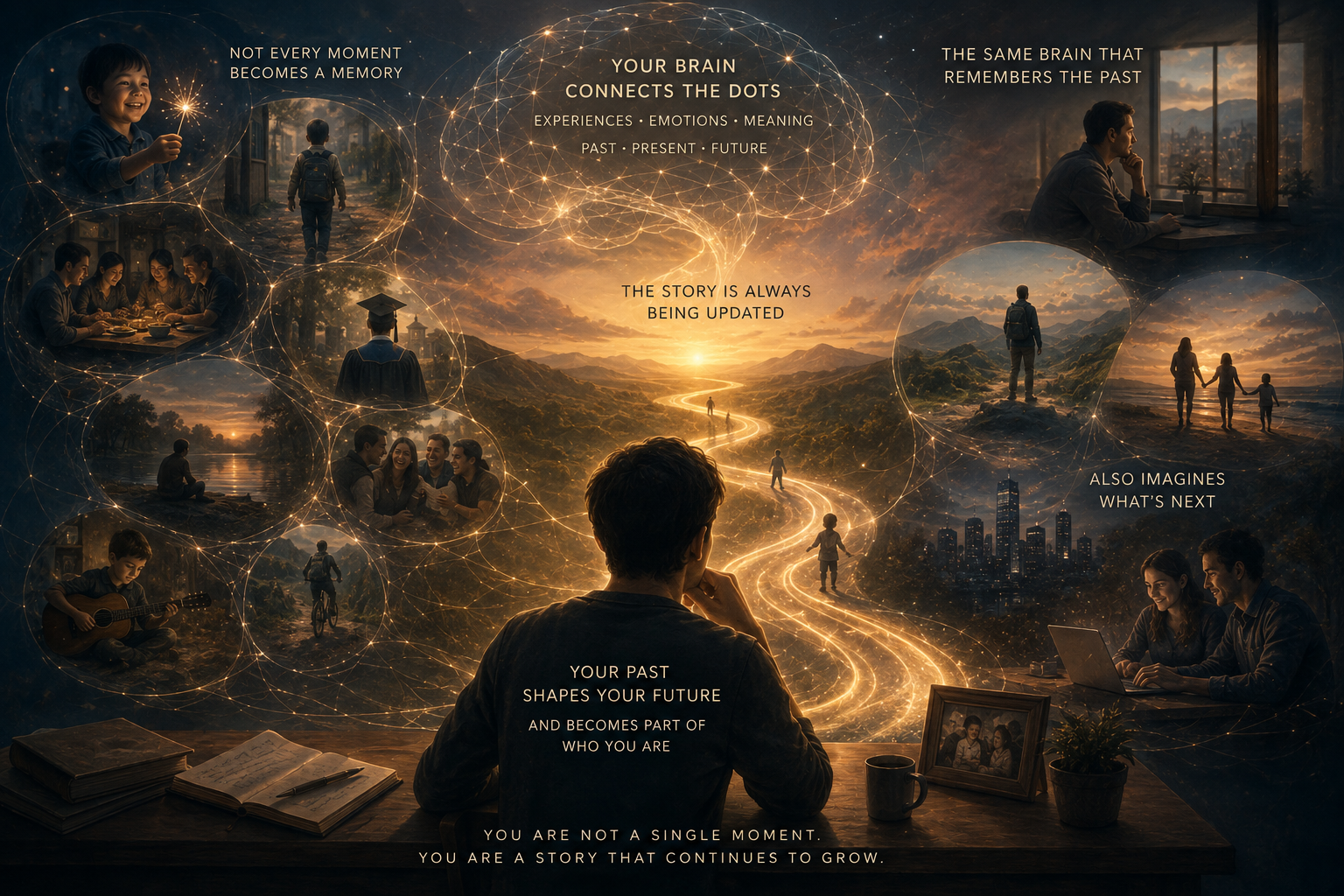
How Does the Brain Turn an Experience Into a Memory? In my work with people living with dementia, I have sometimes seen something that stays with me long after a session ends. A person may struggle to remember a conversation from a few minutes earlier, yet suddenly recognize a familiar song and begin humming along. For a moment, something seems to reconnect. It reminds me that memory is far more complex than simply remembering or forgetting. So, what actually is a memory? We often imagine memory as a recording stored somewhere inside the brain. But biologically, it is much more interesting than that. A memory begins with an experience and the changes that experience produces within the nervous system. Most moments leave little lasting trace. Some, however, produce changes that can remain for years or even decades. How Does an Experience Become a Memory? The first stage is called encoding . This is the process through which the brain processes information from an experience ...

When Pain Doesn't Go Away Part 10 [End]

Image
Living Well With Fibromyalgia, One Step at a Time As we come to the final part of this series, we have explored Fibromyalgia from several different angles: movement, pacing, relaxation, healthy thinking, sleep, meaningful goals, and knowing when to reach out for additional support. When these pieces are brought together, they lead to an important message: living well with Fibromyalgia is not about waiting for the pain to disappear before you start living. For someone who has spent years searching for an answer, accepting that Fibromyalgia may be a long-term condition can be difficult. It can feel discouraging to hear that the goal is management rather than a complete cure. But that does not mean giving up. In fact, research into chronic pain management offers a much more hopeful picture. People who consistently use strategies such as gentle movement, pacing, relaxation, better sleep habits, healthier thinking, and meaningful goal setting can make real improvements in their daily ...

The brain's story machine

Image
"Do you know who this is?" Ron pointed to a face in an old black and white photograph. His wife had early onset dementia. Her speech was still clear, she could carry on a conversation, and she managed most of her daily routines at home without much trouble. But her memory was slipping fast, faster than everything else about her. One of my favorite tools during my years working in the dementia field was reminiscence therapy . Sitting down with someone and going through old photographs, listening to old songs, and talking about stories from their life. I loved it because I could watch a person’s eyes light up when they talked about their school days, a first date, or a family gathering. And then, in the same session, that same person sometimes could not recognize themselves in the very photograph they were looking at. Ron's wife studied the picture for a moment and said, "No honey, I know that lady, she looks very familiar, but I don't remember who she was....

Where Is “Me” in the Brain?

Image
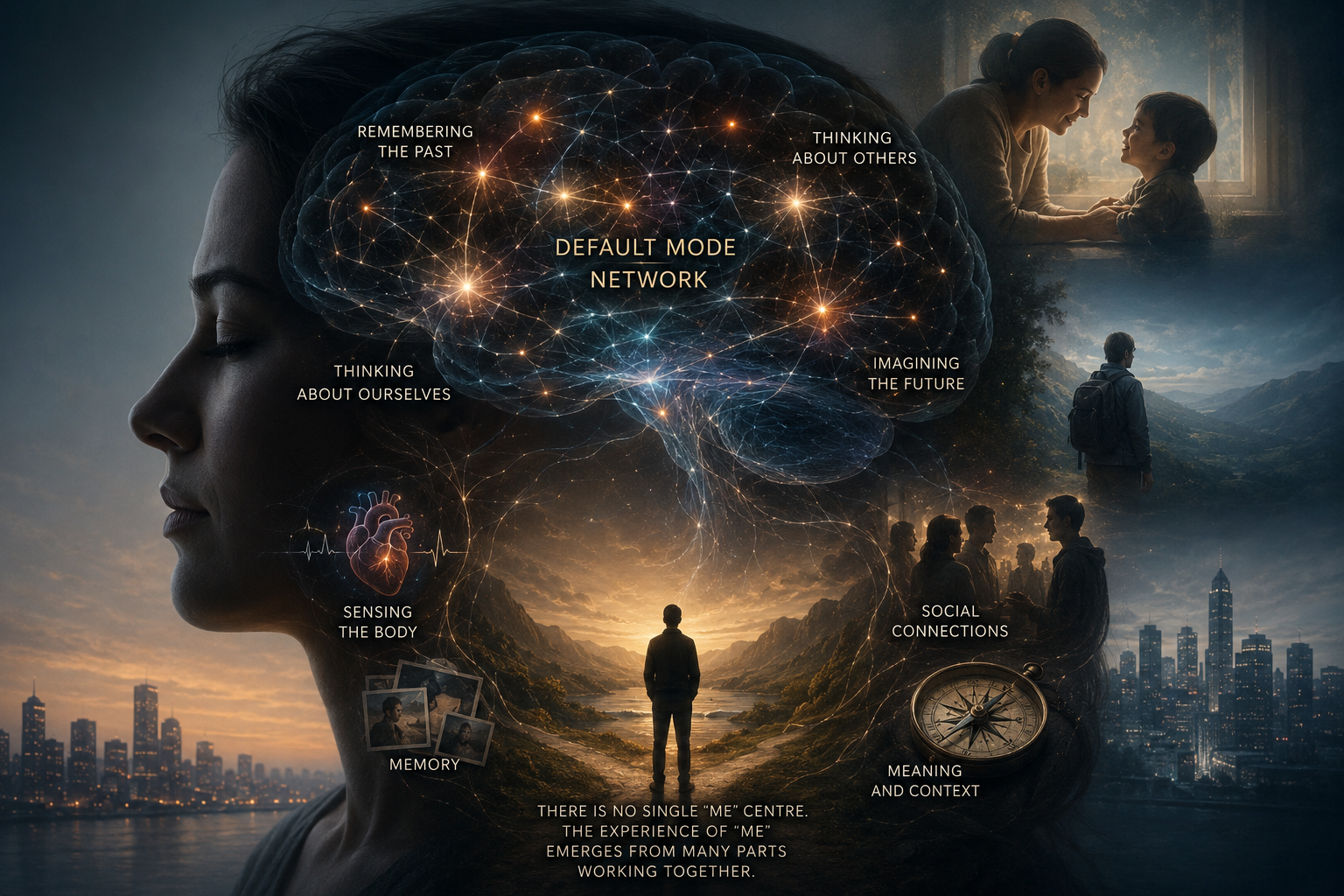
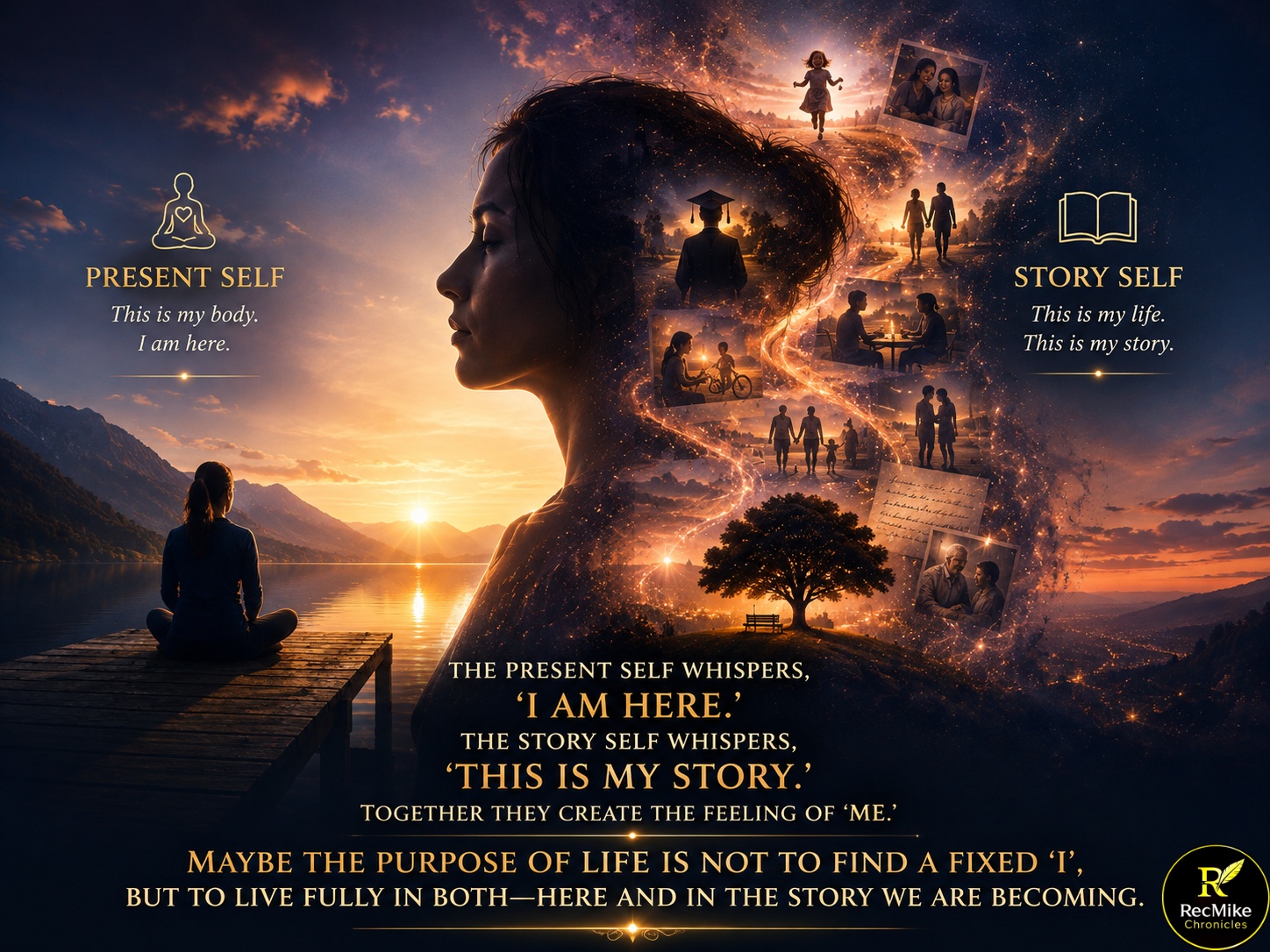
There Is No Single “Self Centre” In Part 1, we asked what we really mean when we say “I.” We looked at the Present Self, the feeling that “I am here,” and the Story Self, the feeling that “this is my life.” Now we can take the next step and ask a surprisingly simple question: If the brain creates the feeling of being “me,” where exactly is “me” in the brain? It is tempting to imagine that somewhere inside our skull there must be a special place where our identity lives. Perhaps there is a small area quietly watching everything we see, hear, remember, and feel. But neuroscience has not found such a place. There is no single “self centre” that contains the whole person. Instead, the experience of being ourselves appears to involve several connected brain systems working together. The Brain Works as a Network This is an important idea in modern neuroscience. The brain is not simply a collection of separate boxes, with one box responsible for memory, another for emotion, and ...

2050දි, තුනෙන් එකෙන් ගැලවෙන්නට

Image
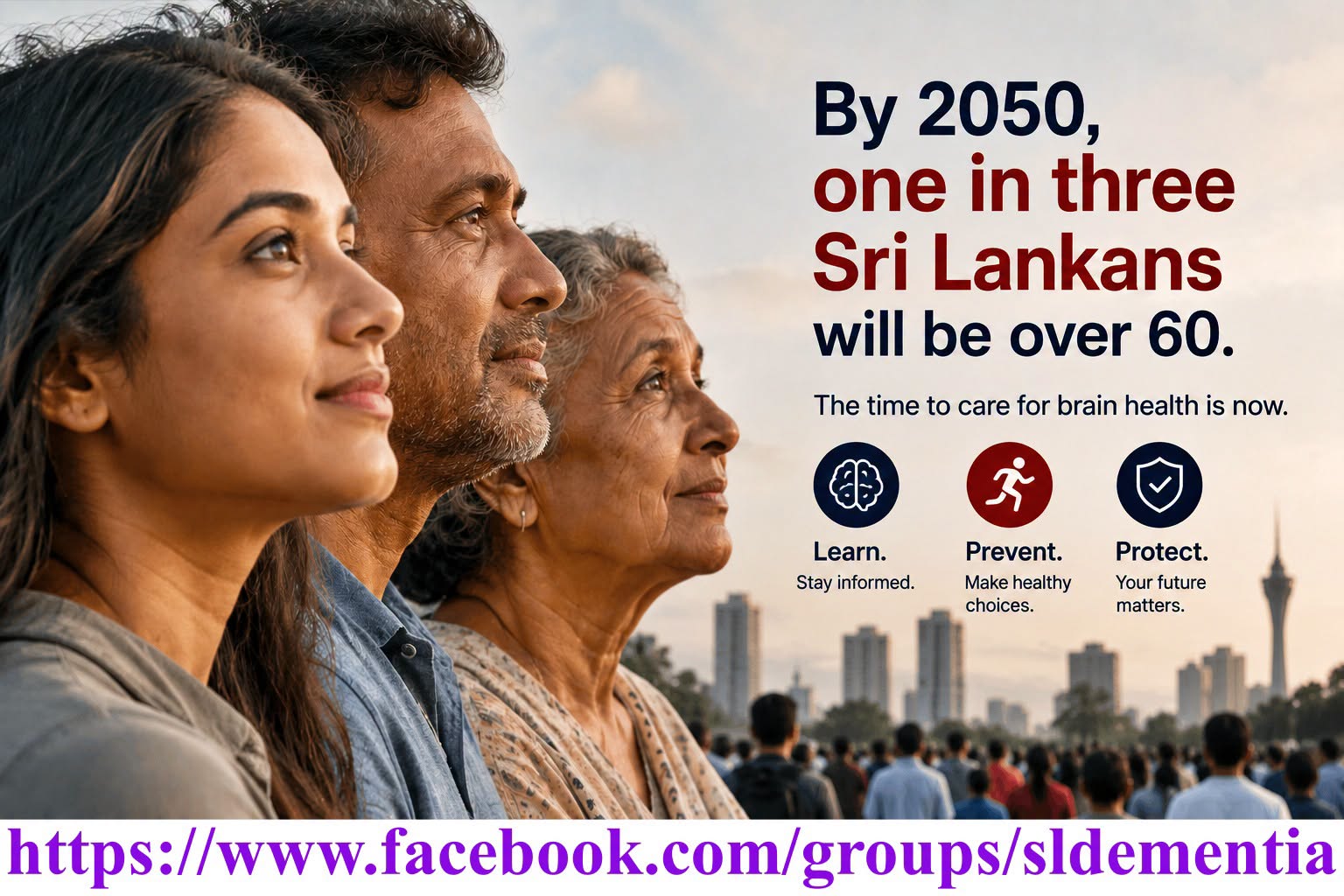
ඩිමෙන්ෂියාව ඔබේ පවුලේ වැඩිහිටියන්ට පමණක්ද? ඩිමෙන්ෂියාව කියන්නේ, ඔබේ අත්තම්මා, සීයාට විතරක් හැදුනු හෝ ඇති කියන හිතන තත්ත්වයක් කියලම හිතන්න එපා. අපේ රට හුඟක් වයසට යන රටවල් අතර ඉහළින් ඉන්න තැනක්. ඒ කිව්වේ, වියපත් ජනගහණය ඉක්මණින්ම වැඩිවන රටක්. 2050 වෙත්දි සිදුවෙන්නේ කුමක්ද? 2050 වෙත්දි, දළ වශයෙන් සිරි ලාංකිකයන් තුන් දෙනෙක්ගෙන් එක් අයෙක් අවුරුදු 60 සීමාව පැනපු අය වේවි. ඒ කියන්නේ, ඩිමෙන්ෂියාව ගැන කතා කරත්දි අවදානම් වයස් සීමාවක්. දැන් මේ කියන තුන් දෙනාගෙන් එක් අයෙක් අතර ඔබ නොසිටීවි යැයි කියන්න පුළුවන් කාටද? අනාගතයේ බෙහෙතක් තිබේවිද? දැන් කෙනෙක් කියන්න පුළුවන්, "අ‍පෝ ඒ වෙත්දි ඩිමෙන්ෂීයාවට බෙහෙතක් හදාගෙන තියේවි" කියල. ඔව්, සමහර විට. නමුත්, එතැනදීත් "සම්පුර්ණ සුව" කියන වචනයට වඩා ලක්ෂණ අඩු කිරීම හෝ ඩිමෙන්ෂියාව ඇති වීම පමා කරගැනීමට උදව් වන කියන පැහැදිලි කිරීම සහිත ඖෂධ අනාගතයේ නිශ්පාදනය වෙන්නට පුළුවන්. බෙහෙතක් තිබුණත්, එය අපට ලැබේවිද? ඒත්, එහෙම නිශ්පාදනය වුනත්, වෙළඳපලට ආවත්, මේ පර්යේෂණ පසුපස සමහර ඖෂධ සමාගම හඹායන ආකාරය දැක්කාම, එහෙම බෙහෙතක් හැදුනත් අප...

What Is “I”?

Image
How the Brain Creates the Feeling of Being Me Every person uses the word “I” thousands of times without thinking about what it actually means. “I am tired.” “I am hungry.” “I remember.” “I am happy.” “I want to go home.” The word seems simple, but behind that small word is one of the most fascinating questions in neuroscience: what exactly is the “I” that we experience as ourselves? Is “I” my body? Is it my brain? Is it my memories, personality, thoughts, or emotions? Or is the feeling of being “me” created from all of these things working together? Neuroscience does not point to one particular place in the brain and say, “This is where the self lives.” Instead, our sense of self appears to develop from many interacting brain systems, together with information coming continuously from our body and the world around us. The “I” Begins With the Body Before we knew our name, we had a body. Before we had childhood memories, we could feel hunger, pain, warmth, cold, touch, and dis...

“I” or “We”?

Image
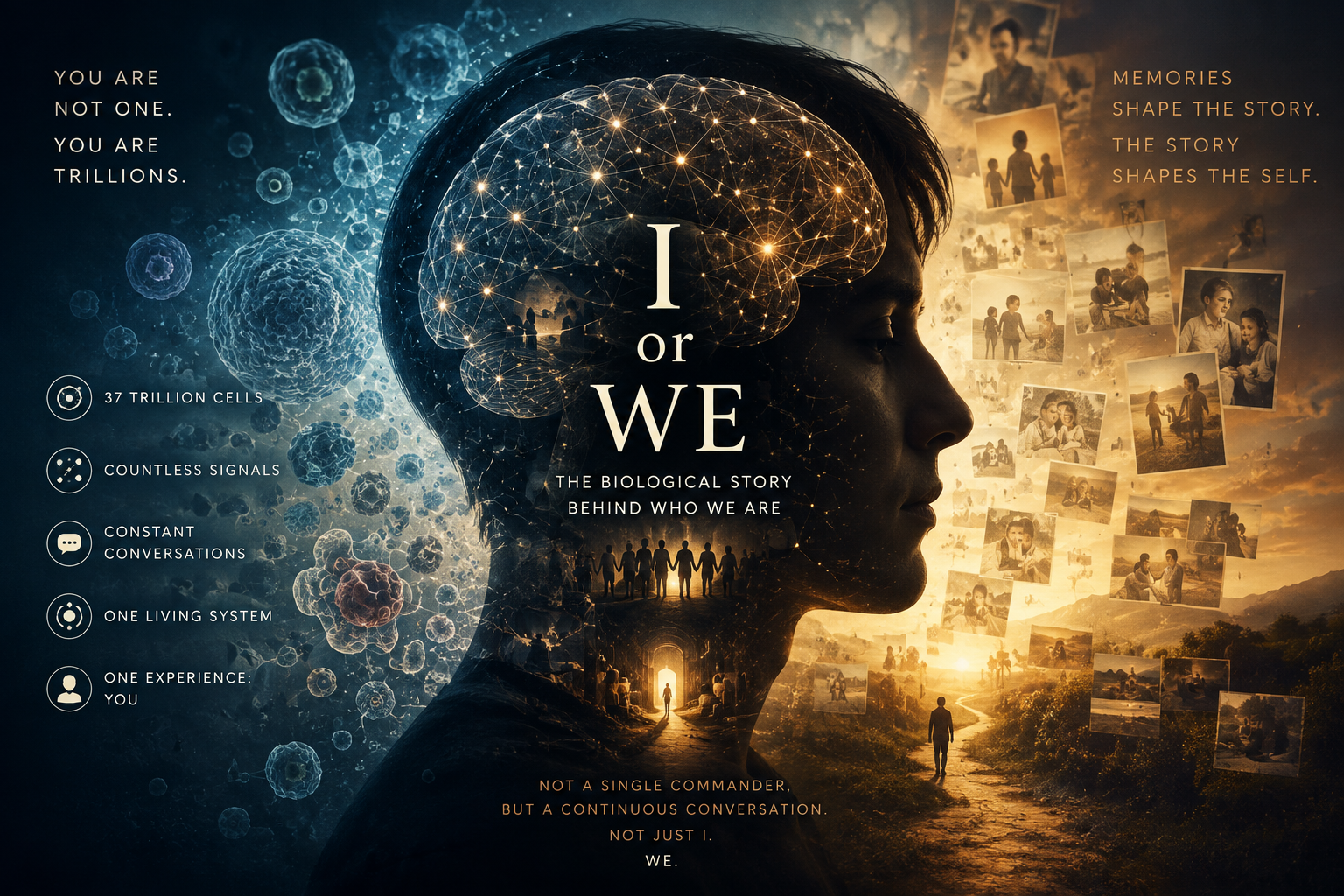
The Biological Story Behind Who We Are Where Did They Go? Every day, in our lives and especially when we encounter neurodegenerative conditions, we see how closely memory and identity are connected. Families may look at a loved one whose memory is changing and quietly ask, “Where did they go?” The person is still physically there, but names may disappear, familiar stories may become confused, and people they once knew may no longer be recognized. Behind this painful experience is a question that applies to every one of us: What exactly is “myself”? What Do We Really Mean When We Say “I”? We use the word “I” constantly without stopping to think about it. “I am hungry.” “I am tired.” “I remember.” “I decided.” “I am happy.” The word feels simple. It seems to describe one person, one mind, one continuous self experiencing life from somewhere behind our eyes. But when we look more closely through the lens of biology and neuroscience, the picture becomes much more complicated. ...

Sri Lanka's Unsung Heroes- Part 13

Image
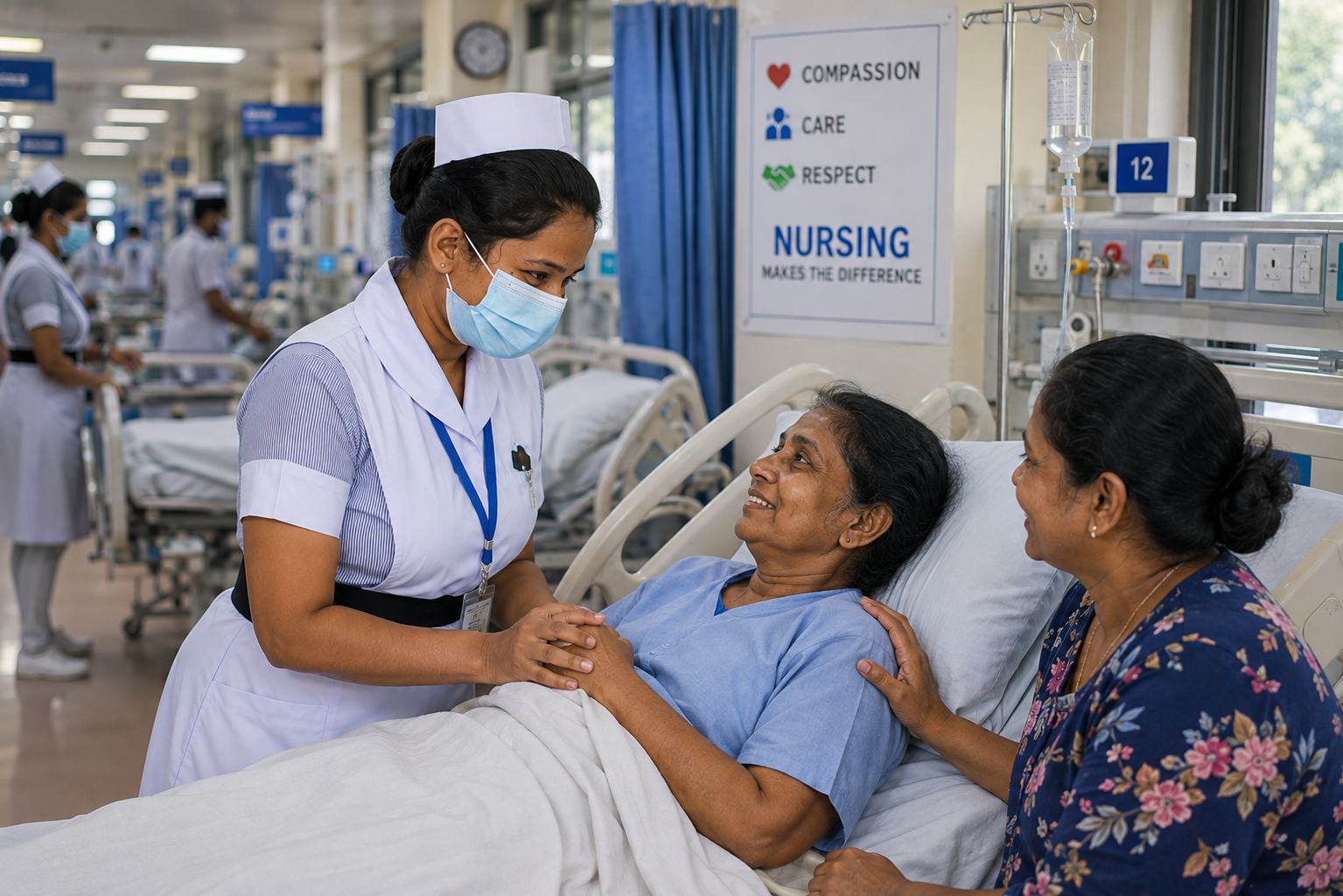
Beyond the Challenges In the previous articles, we have looked closely at the pressures facing Sri Lanka's nursing workforce, including staff shortages, long working hours, limited resources, financial pressures, and the growing concern about burnout and mental health. But there is another part of the story that deserves attention: the relationship between nurses and the public they serve. Public perception matters enormously to the future of any profession, and nowhere more so than in healthcare. Public funding depends on public support, while public confidence influences whether people seek care, follow medical advice, and engage with the health system when they need it. Despite all the challenges discussed throughout this series, there is good news for Sri Lankan nursing. At the level of direct patient experience, respect and appreciation for nurses remain genuinely strong. The Nurse People Remember Former patients frequently describe their nursing care in warm and d...

Welcome to Canada- Part 17

Image
💼 Beyond Getting Your First Job In the previous article, we talked about finding your first job in Canada, including preparing a Canadian-style résumé and writing a strong cover letter. Getting that first opportunity is an important step, but it is only the beginning of your working life in Canada. Once you enter the workplace, another journey begins. You start learning how people communicate, how decisions are made, how colleagues work together, and what employers expect from you. At the same time, you begin building relationships that may become important throughout your career. For many newcomers, understanding Canadian workplace culture, building a professional network, and gaining experience through volunteering can make the transition much easier. Understanding Workplace Culture Every country has its own workplace habits and expectations. Something that is considered normal in your home country may be understood differently in Canada. Canadian workplaces generally plac...