Posts

Showing posts from May, 2026

I Only Drink on Weekends

Image
A casual conversation beside Bow river recently offered a reminder that addiction does not always look the way many people expect. "I only drink on weekends," a man said with a smile, describing what he believed was a controlled and responsible relationship with alcohol. He explained that he worked hard throughout the week, avoided drinking from Monday to Friday, and reserved alcohol for weekends. At first glance, there appeared to be little cause for concern. He maintained steady employment, appeared healthy, and fulfilled his daily responsibilities. Like many people, he viewed weekend drinking as a reward after a demanding work week. However, as the conversation continued, a more complex picture emerged. Friday nights often stretched into the early hours of the morning. Saturdays were frequently centered around drinking, while Sundays were spent recovering from the effects. By Monday, he admitted feeling exhausted and physically drained, yet reassured himself that...

Welcome to Canada- Part 6

Image
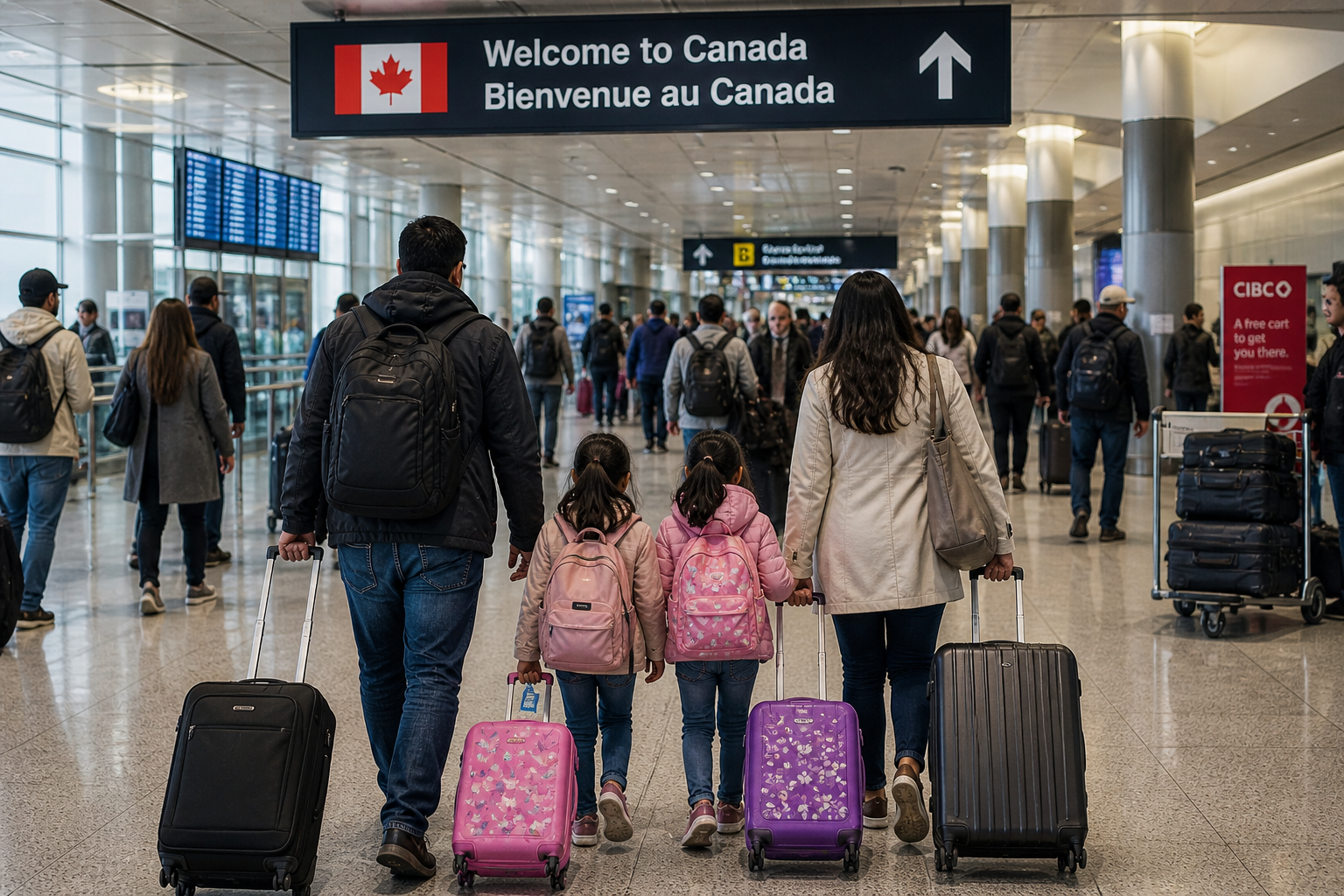
💵 Your First Canadian Dollars One of the small but important adjustments for newcomers is learning how money works in Canada. During your first few days, you may find yourself looking closely at coins, checking prices twice, or mentally converting everything back into your home country's currency. That is completely normal. Almost everyone goes through this stage. A cup of coffee, a bus ticket, or a grocery bill may seem expensive or cheap depending on what you are used to. It takes time for your mind to stop comparing and start understanding the real value of money in your new country. 🪙 Getting Familiar with Canadian Currency Canada uses the Canadian Dollar, often called the "dollar" or simply "bucks" in everyday conversation. Newcomers are often surprised by the coins because Canada uses several coins regularly in daily life. You will quickly become familiar with the nickel, dime, quarter, loonie, and toonie. At first, they may all seem simila...

Sri Lanka's Unsung Heroes- Part 2

Image
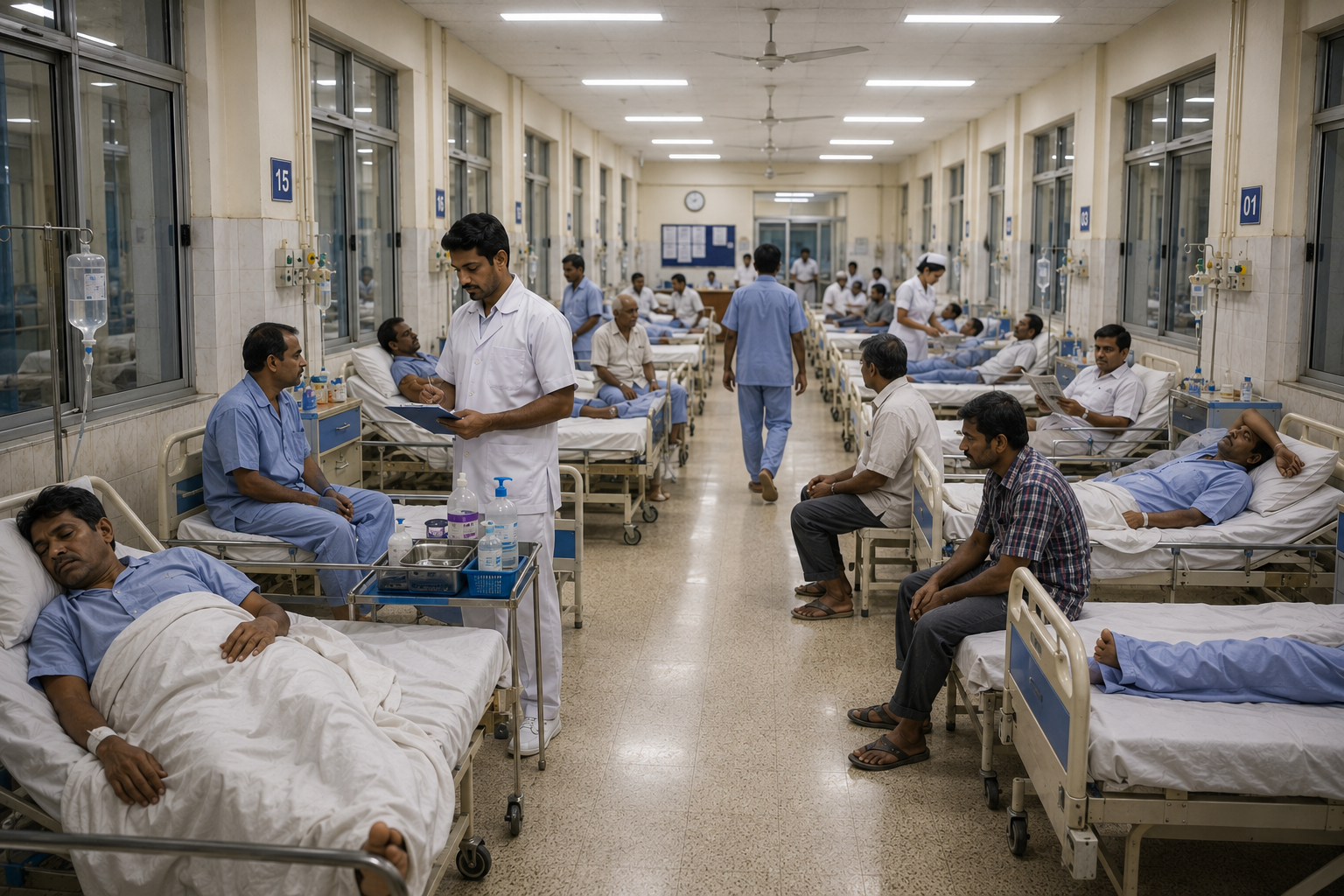
Before discussing solutions, we must first understand the scale of the challenge facing Sri Lanka's nursing profession. The numbers tell an important story, but they only reveal part of the reality. According to the Ministry of Health's 2023 Annual Health Bulletin, approximately 53,000 Registered Nurses serve a population of more than 22 million people across Sri Lanka. On paper, that translates to roughly two nurses for every 1,000 citizens. Statistics, however, rarely capture the human consequences behind them. Every number represents a nurse balancing competing demands, responding to urgent patient needs, and trying to provide safe care despite significant workload pressures. Inside many government hospitals, staffing shortages become visible in ways that are difficult for the public to imagine. A single nurse may be responsible for ten, fifteen, or even more patients during a shift. In some overcrowded wards, the ratio can be considerably higher. During my own years i...

When Dental Costs Really Bite

Image
My daughter recently had her wisdom teeth removed during a study break. The procedure was not an emergency, and she was not experiencing any pain. Her dentist simply recommended removing the teeth before they created future problems, a decision that seemed both sensible and preventative. The procedure went smoothly, the clinic was well organized, and the surgeon provided excellent care throughout. Everything about the experience was reassuring until we received the bill: approximately $4,500 CAD. While the cost was not entirely surprising, seeing such a large amount attached to a routine preventative procedure prompted me to reflect on a question many immigrants ask after settling in Canada. Why is dental care so expensive here compared to countries such as Sri Lanka? In recent months, social media discussions among Sri Lankans living abroad have been filled with stories of costly dental treatments, delayed appointments, and even plans to travel home for dental work. At the same ti...

When Pain Doesn't Go Away- Part 2

Image
For many years, healthcare focused mainly on one question: "Where is the injury?" If a broken bone was repaired or an infection was treated, the pain was expected to disappear. This approach works well for many short-term injuries and illnesses. However, Fibromyalgia is different. Many people living with Fibromyalgia have severe pain, fatigue, and other symptoms even though medical tests may not show damaged muscles, joints, or bones. This can leave people feeling frustrated as they move from one test to another, hoping to find a simple explanation. Today, healthcare professionals understand that Fibromyalgia cannot be explained by looking only at the body. Instead, they use what is called the biopsychosocial approach, which looks at the whole person rather than just the pain. Your Body Plays an Important Role The first part is the biological aspect. Research shows that Fibromyalgia changes the way the brain and nervous system process pain. The body's pain ala...

Welcome to Canada- Part 5

Image
🏦 Why It Matters After arriving in Canada, opening a bank account is usually one of the first important things many newcomers do. During the first few days, you may still use cash, international cards, or money you brought from home. But very quickly, daily life starts moving through the banking system. Employers usually pay salaries directly into bank accounts, bills are often paid online, and many services expect electronic payments. Opening a local bank account is not only about managing money. It is one of the first steps toward building your new life in Canada. 📄 Opening an Account Many newcomers worry that they cannot open a bank account because they do not yet have a job, Canadian credit history, or permanent housing. The good news is that many Canadian banks have newcomer programs designed exactly for people who are just arriving. Usually, you need your passport and immigration documents to get started. Some banks may also ask for a local address if available. The p...

Sri Lanka's Unsung Heroes- Part 1

Image
For many Sri Lankan nurses, the workday does not end when a shift is over. The emotional weight of caring for patients, supporting families, and making difficult decisions often stays with them long after they leave the hospital. This article is the first in a 25-part series exploring the realities, challenges, achievements, and future of the nursing profession in Sri Lanka. Drawing on personal experience, research, and observations from different healthcare systems, the series aims to create meaningful discussion about the role of nurses and the changes needed to strengthen the profession. My wife and I spent fourteen years working as Registered Nurses in Sri Lanka's public healthcare system, serving in busy hospital wards where resources were often limited and workloads were heavy. Like thousands of government nurses across the country, we worked long shifts, cared for large numbers of patients, and faced challenges that tested both our skills and resilience. Today, after...

When Pain Doesn't Go Away- Part 1

Image
A Personal Introduction Welcome to this new article series on Fibromyalgia and Chronic Pain Management. In this series, I will be sharing information about a chronic pain condition called Fibromyalgia. My interest in this topic comes from several perspectives: my professional experience working with people living with chronic health conditions, and my personal experience as a family member of someone living with Fibromyalgia. Over the years, I have seen how chronic pain affects not only the person experiencing it but also their family members, relationships, daily routines, and overall quality of life. I have also seen how confusing and frustrating it can be to find reliable information among the many myths and misconceptions surrounding chronic pain. The purpose of this article series is to share up-to-date scientific and medical knowledge in a way that is easy to understand, while also providing practical strategies that can be used in everyday life. We will explore topics ...

Welcome to Canada- Part 4

Image
📱 Why a Local Number Matters One of the first things many newcomers realize after arriving in Canada is how important a phone and internet connection really are. Without them, even small daily tasks can become difficult. You need internet to check maps, contact family, search for housing, apply for jobs, and even use public transportation apps. In modern Canada, staying connected becomes part of everyday life very quickly. Many people arrive with their home country phone number still working on roaming. That may help for a few days, but it usually becomes expensive. Getting a Canadian SIM card and local number makes life easier almost immediately. Employers, landlords, banks, and many services prefer using a local phone number. Even emotionally, having your own Canadian number gives a small feeling that life here is starting to become real. 🛬 Buying a SIM Card At most major airports in Canada, you will see mobile phone kiosks and stores. Some newcomers buy a SIM card right ...

The Real Victim

Image
Our little Daisy had an accident. One afternoon, while doing what cats do best, climbing, jumping, and acting as if gravity is merely a suggestion, she launched herself from the top of her cat tree. Usually, Daisy landed with elegance and confidence. This time, however, something went wrong. She landed awkwardly and ended up spraining her leg. Thankfully, the injury was not serious, but it was enough to earn her a visit to her favorite place in the world, the veterinary clinic. Most cats would strongly disagree with calling the vet a favorite place, but Daisy is a special character. She enjoys the attention, the compliments, and all the people telling her how beautiful she is. After a careful examination, the veterinarian confirmed that her leg would heal with rest and prescribed medication to help her recover. There was just one problem. The medication was bitter. Very bitter. To make it easier for Daisy, we mixed it with sweet milk and gave it to her three times a d...

Ebola 2026: The Global Risk & Response

Image
An international public health focus has shifted toward Ebola following a May 2026 declaration by the World Health Organization (WHO), which designated a new outbreak of the Bundibugyo Ebola strain in Central Africa (primarily the Democratic Republic of the Congo and Uganda) as a Public Health Emergency of International Concern. To help make sense of the virus, its transmission, and how countries like Canada and Sri Lanka are responding through trade, travel, and immigration policies, this document outlines the current global landscape and essential public safety protocols. 1. What is Ebola? Symptoms and Transmission Ebola virus disease is a rare but severe, often fatal illness in humans. It belongs to the category of viral hemorrhagic fevers, meaning it disrupts the body's blood-clotting systems, causing internal and external bleeding alongside profound tissue damage. How It Spreads ● Bodily fluids of an infected person who is actively showing symptoms (including blood, ...

Welcome to Canada- Part 3

Image
For many newcomers, one of the biggest questions after arriving in Canada is simple: “Where should we stay now?” It sounds like a basic question, but it carries a lot of emotions behind it. Safety. Money. Stability. Comfort. Family. Future plans. When people first arrive, they often feel pressure to find a permanent home immediately. But in reality, rushing into housing decisions can create more stress later. Canada is a large country, and every city, neighborhood, and rental situation feels different once you actually start living there. That is why many newcomers begin with temporary accommodation before moving into a permanent place. Understanding the difference can save you money, stress, and disappointment. 🏠 What Is Temporary Accommodation? Temporary accommodation means a short-term place to stay while you settle into the country and learn your surroundings. This could be: A hotel Airbnb A friend or relative’s home A short-term rental A newcomer housing progr...

When the road wakes up

Image
This is not a lecture about seatbelts or speed limits. You already know those matter. This is about the specific hazards that summer brings in Canada — the ones that catch even careful drivers off guard. A photo from a recent collision is what prompted this piece. If even one part helps someone avoid a close call, it was worth writing. These tips are for anyone currently in Canada, who has lived here, was born here, or is planning to visit. Take what is useful. Add what is missing. Pedestrians, cyclists, and distracted wanderers Summer is when foot traffic explodes. People who spent winter commuting by car or transit now want to walk, jog, and cycle. Crosswalks and bike lanes that were quiet in February are busy every hour of the day. The most important group to watch is what you might call the silent pedestrian , someone wearing noise-cancelling headphones, completely unaware of traffic, stepping off a curb without looking. You cannot honk your way to safety with this person...

Welcome to Canada- Part 2

Image
Migration is not something new. It did not begin with us. If we go far back in time, even to the Ediacaran Period, living beings were already moving. Early animals moved to find food, to reach warmer places, or to survive changing environments. Movement was part of life. Over time, humans continued that same pattern. We moved across lands, crossed oceans, and searched for places where life could be safer or better. The reasons have changed, but the need has stayed the same. Today, in the modern world, people migrate for many different reasons. Some leave their countries to escape war, discrimination, or natural disasters. Others move to find better opportunities, education, financial stability, or simply a chance to live with more freedom and dignity. Every person who migrates carries a story. Some stories are heavy. Some are hopeful. Most are a mix of both. When we talk about immigration today, Canada holds an important place. People come here from all over the world. Some com...